Addis Mayor Stresses Need for Shaping Shared African Voice for Urban Financing Reform - ENA English
Addis Mayor Stresses Need for Shaping Shared African Voice for Urban Financing Reform
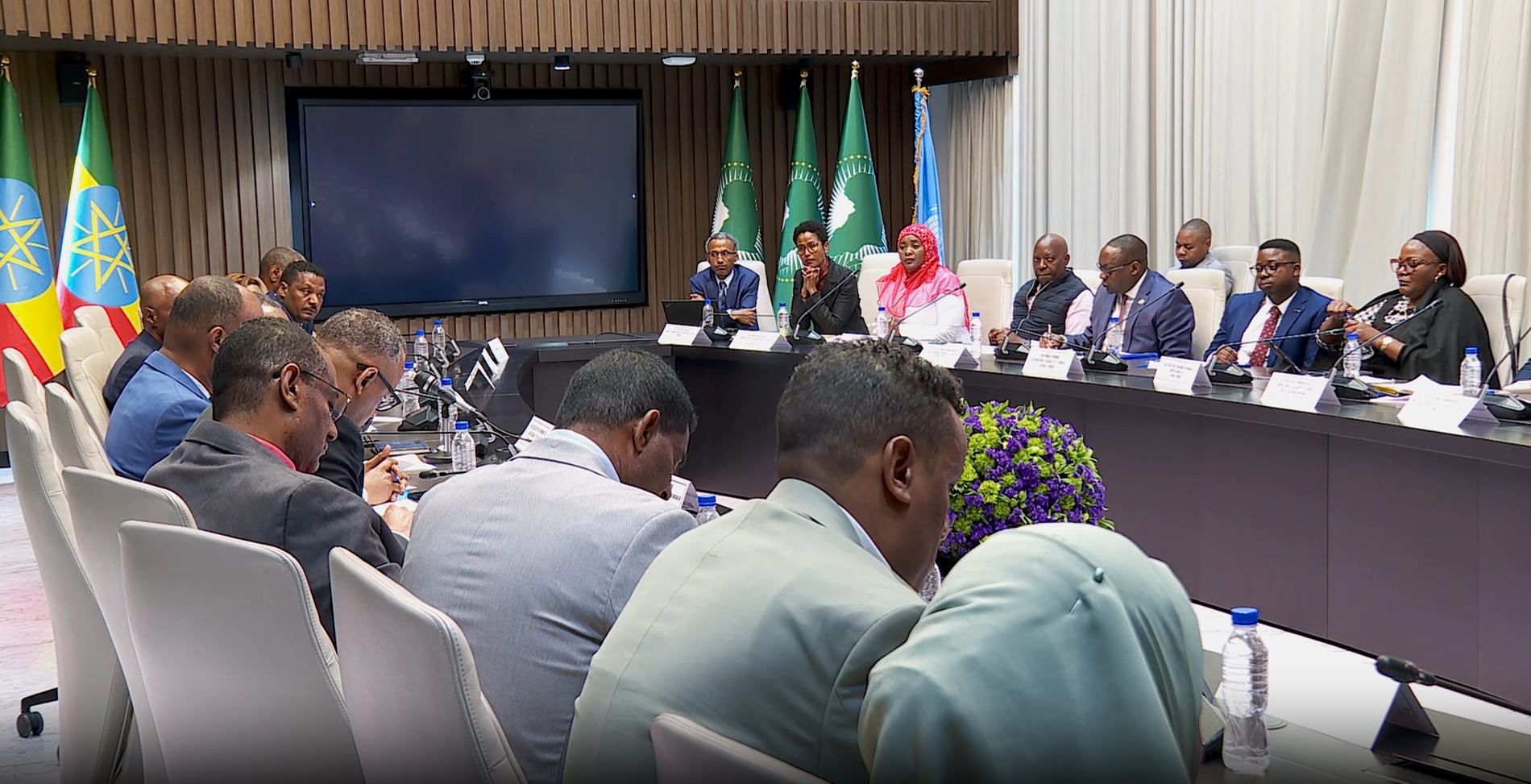
Addis Ababa, January 23, 2026 (ENA)—Addis Ababa Mayor Adanech Abiebie has underscored the need for shaping a shared African voice for urban financing reform in the continent.
Speaking at a Regional Peer Learning Action Plan progress review workshop held today, the mayor said Addis Ababa, like many cities in Africa, faces rapid population growth, increasing service demands, infrastructure pressures, and climate-related risks.
According to her, meaningful urban transformation is achievable only with a solid financial framework and political commitment to reform.
Over recent years, she stated that Addis Ababa has made notable strides in enhancing urban mobilization.
In this regard, the mayor outlined ongoing efforts to modernize the city’s tax administration and governance systems, including innovations in property-based taxation, licensing, revenue digitization, and improved taxpayer compliance.
These initiatives have led to increased revenue, reduced financial leakages, and an enhanced capacity for priority investments.
Despite existing challenges, she stressed that physical space in urban settings can be cultivated through strategic leadership, technical expertise, data-driven decision-making, and building trust between government and citizens.
This perspective aligns with findings from a recent physical space study conducted by the United Nations Economic Commission for Africa (UNECA), which provides valuable insights for African cities on expanding physical spaces through enhanced revenue mobilization and efficient expenditure.
Mayor Adanech finally urged "all mayors, governors, and participants to engage openly, learn boldly from each other and use the platform to shape a shared African voice for urban financing reform, the future of African cities".
United Nations Economic Commission for Africa Gender, Poverty and Social Policy Director, Zuzana Brixiova Schwidrowski presented a comprehensive summary of an ongoing project aimed at strengthening the capacity of finance ministers across six African cities to promote sustainable development.
Reflecting on the project's achievements over recent months, Schwidrowski noted the completion of financial performance assessment reports that have informed the development of best practices and a performance monitoring dashboard to facilitate efficient fiscal management.
She reiterated the importance of municipal guidance as a vital component of national finance, especially in light of current fiscal challenges, including public debt repayment surpassing social expenditures.
Nairobi City County Deputy Governor, James Njoroge Muchiri, said that the peer learning exchange serves as a vital examination of financial management in cities, highlighting the role of collaborative efforts in enhancing urban governance.
The assessment project, facilitated by the United Nations Economic Commission for Africa (UNECA), is expected to help improve financial performance in six African cities, namely Addis Ababa, Nairobi, Lusaka, Dar es Salaam, Kigali, and Yaoundé, by refining accounting practices, diversifying revenue sources, and strengthening governance processes, it was learned.
According to Muchiri, it is essential to work together to fortify local financial management.
In this respect, the workshop would provide a platform for participants to reflect on enhancing their work environments while sharing valuable experiences and strategies for improvement.
Dar es Salaam Mayor Nurdin Bilal Juma said the regional peer learning action plan progress review workshop encourage cities to effectively integrate their own initiatives.
“Following this gathering, we will define roles for collaborative learning. Cities like Dar es Salaam stand to gain significantly from frameworks that will enable us to consolidate our efforts.”