Ethiopia, Israel Workshop on Cyber Security Highlights Need for Stronger Digital Defenses - ENA English
Ethiopia, Israel Workshop on Cyber Security Highlights Need for Stronger Digital Defenses
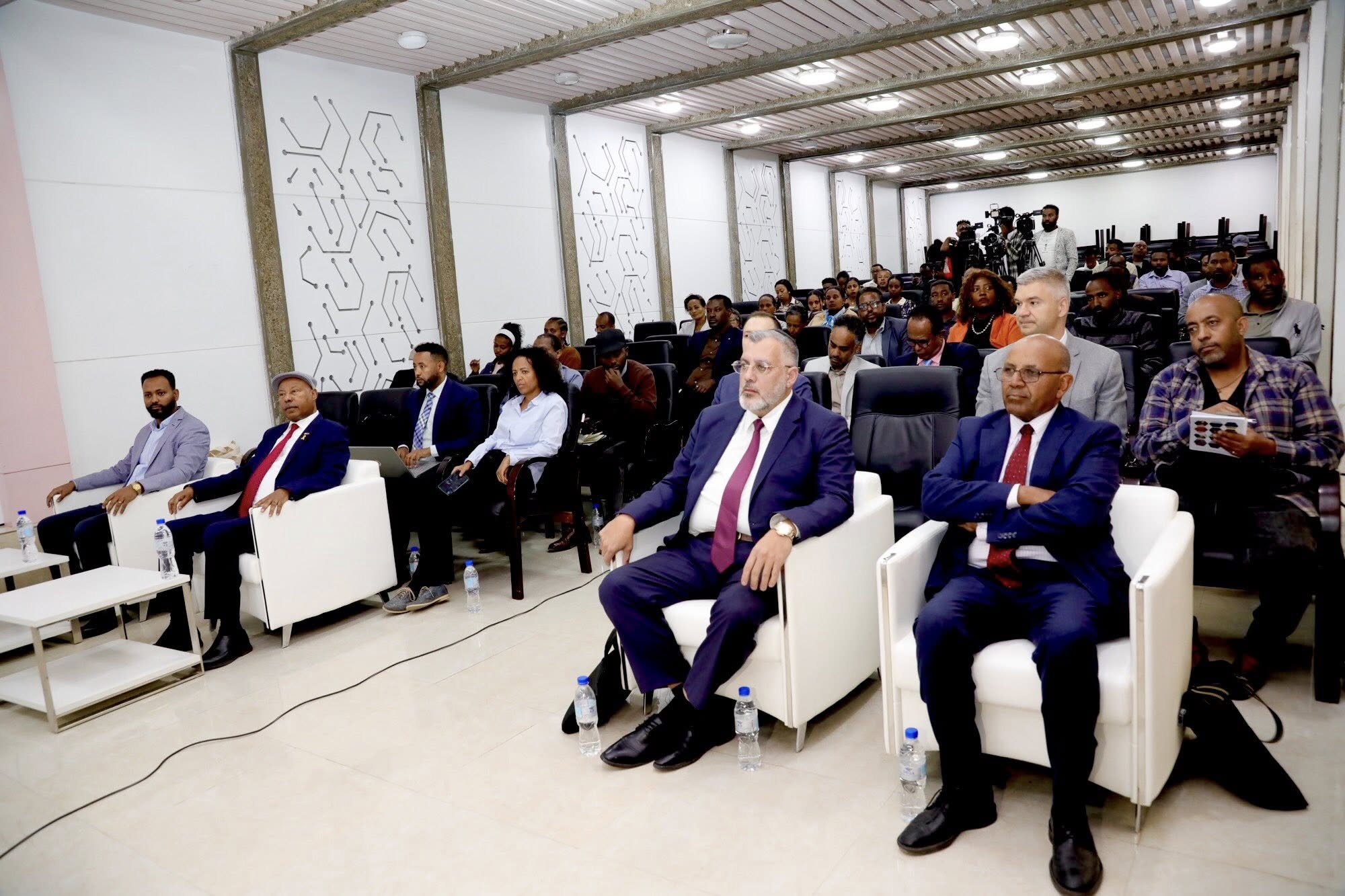
Addis Ababa, January 22, 2026 (ENA)—AI-powered cyber-attacks and the need for stronger digital defenses took center stage at a cyber security workshop held in Addis Ababa today.
The workshop titled “Cyber Security Trends and Development: Ethiopia and the Global Landscape” brought together local and international experts as well as stakeholders from government institutions and non-governmental organizations.
On the occasion, Innovation and Technology State Minister Muluken Kere said one of the key priorities of the recently launched Digital 2030 Strategy is cyber security, as the country moves into new areas of the digital economy.
Ethiopia successfully completed Digital 2025 strategy and launched Digital 2030 with the view to empowering the society through digital technology, accelerating economic growth, and enhancing the nation’s global competitiveness.
The state minister noted that ensuring a secure digital environment is essential for building a robust digital economy platform.
Ethiopia’s ongoing efforts to collaborate on cyber security at international, regional, and neighboring-country levels has been intensified; and the workshop serves as a tangible example of these partnerships, Muluken said.
For his part, Israel's Ambassador to Ethiopia, Avraham Neguise, said cyber security is no longer a niche technical concern but a strategic necessity.
“As Ethiopia advances its impressive digital transformation, safeguarding digital assets, data, and systems becomes ever more critical,” the Ambassador noted, stressing that cyber security is a shared responsibility requiring cooperation across sectors, borders, and disciplines.
Israel is proud to support Ethiopia’s journey toward a secure and innovative digital future, highlighting the launch of Ethiopia’s Digital 2030 strategy, he added.
Recalling Israeli and Ethiopian collaboration in sectors such as agriculture, water management, health, and education for decades, Ambassador Neguise pointed out that cooperation has recently expanded into digital technology, high-tech innovation, and cyber security to meet the demands of modern economies.
Ethiopian Cyber Security Association President, Berhanu Beyene, emphasized that partnerships with countries rich in technological expertise, professional capacity, and experience are essential for Ethiopia’s success in combating cyber security.
He added that Ethiopia, being a latecomer in digital transformation, can learn from the experiences of others, avoid past mistakes, and better address challenges in achieving the goals of the Digital 2030 strategy.
In his presentation to the workshop, the Israeli expert Andrew Pelled warned that AI-driven threats represent one of the most significant cyber security challenges today.
According to him, traditional security measures are no longer sufficient as cyber criminals adopt advanced technologies and AI is rapidly transforming the technological landscape and enabling new forms of cyber-attacks.
Major cyber incidents that have occurred across Africa, including in Ghana, Kenya, and Sudan, were presented to the participants to highlight the growing number of cyber-attacks and sophistication.
The expert emphasized that awareness remains the most effective first line of defense. With widespread use of mobile phones and digital services, cyber risks now extend beyond organizations to individuals.
“I think the key word is awareness, to have more awareness. Each one of us is a user, even with our mobile telephones, a cyber-attack can happen, or detection, or somebody controlling your telephone.”
The one-day workshop was organized by the Embassy of Israel, in collaboration with the Ministry of Innovation and Technology and the Ethiopian Cyber Security Association.