HPR Amends Electoral Law to Pave Way for Tech-Driven National Elections - ENA English
HPR Amends Electoral Law to Pave Way for Tech-Driven National Elections
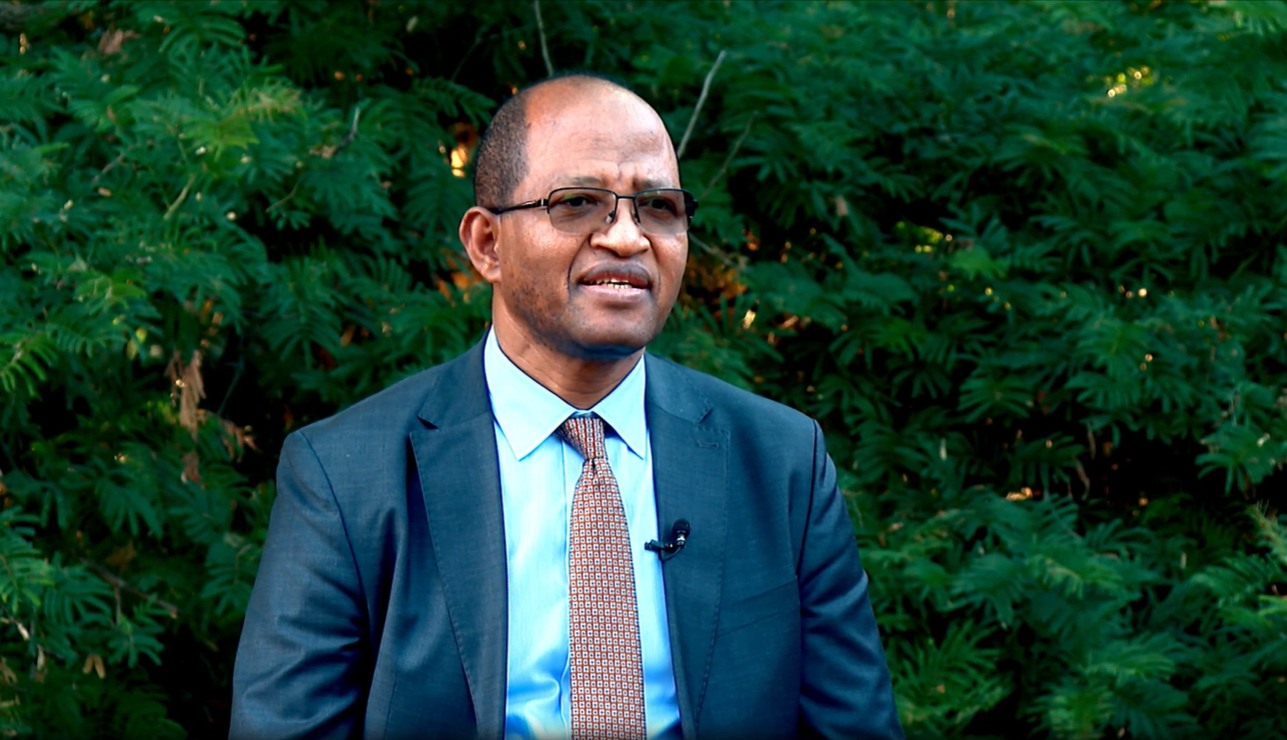
Addis Ababa, January 21, 2026 (ENA)—The House of Peoples' Representatives (HPR) has made critical amendments to the national electoral law, integrating digital technology to ensure the upcoming general elections are transparent, free, and fair.
The National Election Board of Ethiopia (NEBE) recently confirmed that voter registration for the 7th national general election will run from February 14 to March 16, 2026, with polling day scheduled for June 1, 2026.
In preparation, the Board is finalizing logistics, staff training, and public awareness initiatives.
In an exclusive interview with ENA, HPR Speaker Tagese Chafo reaffirmed the NEBE’s status as an independent constitutional body.
He noted that the Board’s latest readiness report indicates it is well-prepared to execute the elections in line with constitutional mandates.
According to the speaker, the update streamlines the registration process for both candidates and voters through digital integration.
The Speaker noted that Parliament has proactively refined the legal framework to ensure the electoral process is peaceful, credible, and fair.
A primary focus has been the amendment of Proclamation No. 1162/2018, he added.
Speaker Tagese also emphasized the vital role of civil society in monitoring the polls and providing voter education.
This legislative update integrates digital technology into the Board’s core operations, specifically streamlining the registration of candidates and voters.
Beyond technological advancements, Tagese highlighted the essential role of civil society organizations in monitoring the process and fostering voter education.
He further affirmed that the government is responding to the NEBE's requirements by mobilizing resources to enhance the transparency and integrity of the vote.
The Speaker underscored that efforts are underway to ensure the 7th national general election contributes to a broader national consensus and to achieve this, he called upon all stakeholders to fulfill their responsibilities in making the democratic process a success for the nation.