Ethiopia’s Capital Wins Global Praise Amid Cultural Splendor - ENA English
Ethiopia’s Capital Wins Global Praise Amid Cultural Splendor
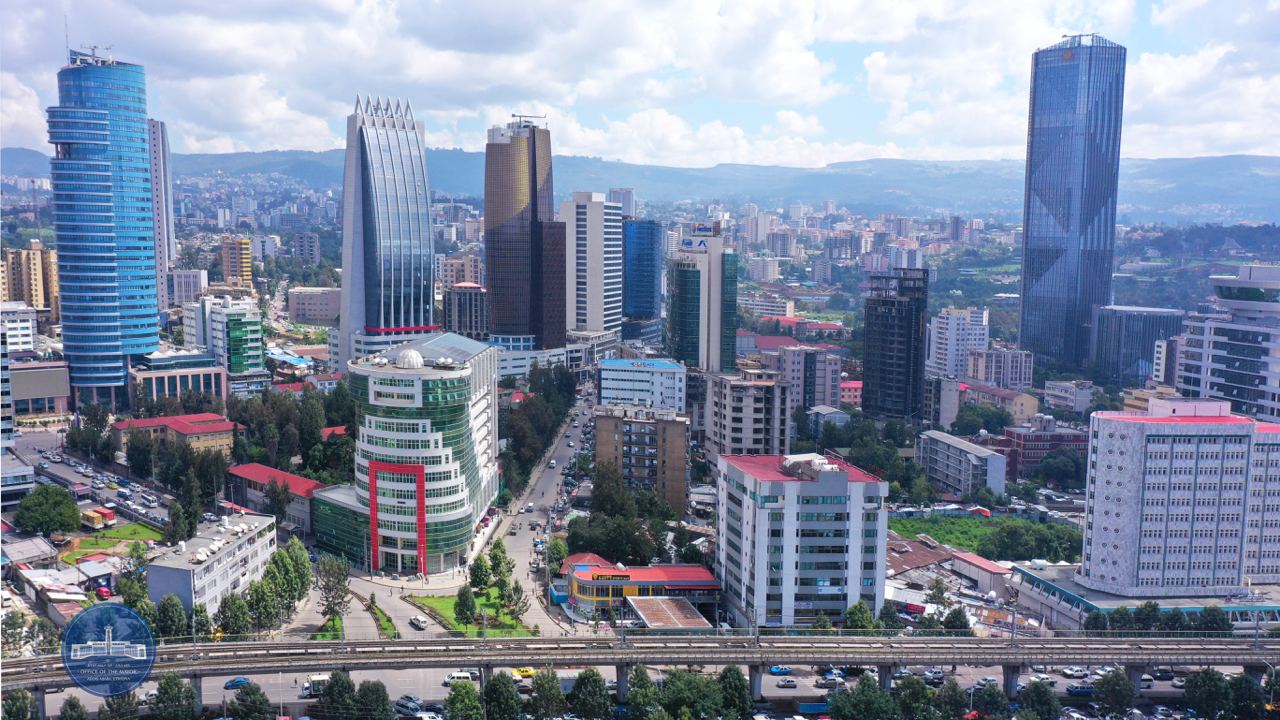
Addis Ababa, January 25, 2026 (ENA)—The Ethiopian capital is drawing international acclaim for its impressive urban transformation, with visitors lauding improvements in infrastructure, city planning, and environmental initiatives.
Earlier this week, international visitors joined in Timket, the Ethiopian Orthodox Epiphany celebrating the baptism of Jesus Christ in the River Jordan, showcasing Addis Ababa’s vibrant culture and lively urban atmosphere.
As the political and diplomatic heart of Africa—home to the African Union and numerous foreign missions—Addis Ababa revealed its striking beauty through the outdoor festivities.
The foreign visitors approached by the Ethiopian News Agency were captivated by both the city’s cultural richness and its rapid modernization.
“I have seen remarkable change around the city,” said Reverend Bronson Woods, a visitor from Atlanta, United States, who has traveled to Ethiopia several times.
“When I used to land at Bole Airport, the city was dark. Now, as you arrive, lights are everywhere… it looks like Las Vegas!,” he stated.
Addis Ababa is one of Africa’s fastest-growing metropolitan areas, undergoing rapid urban transformation through corridor development initiatives aimed at reshaping mobility, residential life, and work within the capital.
These projects align major roads with public transport, pedestrian pathways, green spaces, and mixed-use developments.
“Kudos! to the leadership, the government, trying to work together on behalf of the citizens of Ethiopia. I'm quite impressed of the amount of development from where it has come over the past several years,” Woods noted.
Environmental improvements are also being noted.
Woods said pollution appeared lower than during his earlier visits, crediting leadership efforts aimed at improving living conditions.
One of the stated goals of corridor development is to encourage green mobility, including the expansion of electric buses, cycling routes and pedestrian-friendly streets. City planners say reducing dependence on high-emission vehicles has contributed to improved air quality.
Green infrastructure has also been incorporated into the corridors, with trees, parks and water features integrated alongside transport routes.
While infrastructure has improved significantly, visitors say Addis Ababa’s cultural identity remains at the heart of its appeal.
Beyond its cultural vibrancy, the city’s improved infrastructure has made coffee shops and public spaces more accessible, allowing tourists to engage more fully with Addis Ababa’s rich cultural life.
Most importantly, he emphasized that Ethiopia’s unique status as the only African country never colonized carries profound significance for people around the world.
“Ethiopia is the only uncolonized country on the continent of Africa. That is great significance there. Not just for African Americans, but for people all across the world. To see how a nation stood on their land to defend their land from enemy and it's exemplified in how the people naturally love and care for one another,” he added.
Dustin Penrod, visiting from Los Angeles, said Ethiopia is “more than worth visiting”, describing the experience as an opportunity to better understand shared history and identity.
“Being here helps us learn about ourselves and where we came from,” Penrod said.
As Addis Ababa continues to expand, visitors say the city reflects a balance between rapid development, environmental awareness and enduring cultural life.