Norwegian Development Fund Applauds Ethiopia’s Soil, Water Conservation Efforts Under Green Legacy - ENA English
Norwegian Development Fund Applauds Ethiopia’s Soil, Water Conservation Efforts Under Green Legacy
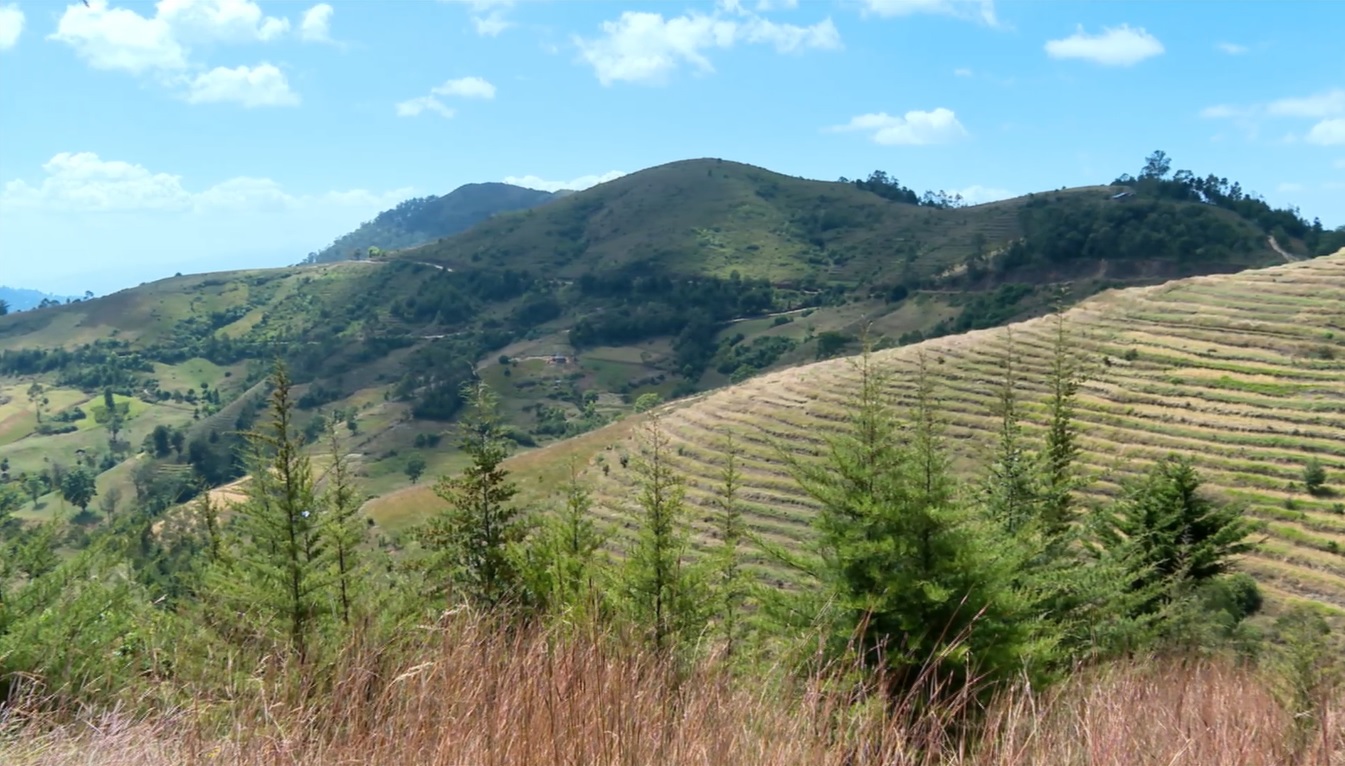
Addis Ababa, January 10, 2026 (ENA)—The Norway’s Development Fund has praised Ethiopia’s soil and water conservation efforts as a decisive step forward for the national Green Legacy Initiative (GLI).
Speaking exclusively to ENA, Head of Programs at Norway’s Development Fund, Sisay Kassahun, said Ethiopia’s sustained conservation measures are reversing decades of environmental degradation caused by deforestation and land misuse.
He recalled that Ethiopia’s forest cover once stood at 25 to 30 percent but declined sharply over generations, triggering severe soil erosion, recurring droughts, bio-diversity loss and heightened exposure to climate extremes such as floods and heat waves.
“It’s very much a permanent, it’s a decisive measure that we need to take the Green Legacy initiative moving forward. Because you see, we lost in our childhood, the forest coverage of Ethiopia was about 25 to 30 percent. But since the GLI, there are indications that the forest coverage of Ethiopia is just increasing now,” Sisay said.
According to him, protecting soil through large scale tree planting and vegetation management is not only an environmental priority but also a matter of national survival, agricultural productivity and rural livelihoods.
He highlighted agro-forestry as a central strategy, particularly for smallholder farmers who cultivate limited land. Average household plots, he noted, are about half a hectare, making extensive farming impractical.
“It’s our strategy to promote agro-forestry to our smaller farms. Within a limited area of land, farmers will be advised to plant trees for food, like papaya, avocados and mango. The average household land size is about 0.5 hectare, so you can’t imagine having an extensive sort of farming,” he explained.
Through local partners, the Development Fund supports biological measures such as tree planting to stabilize soil and conserve moisture, alongside physical structures including soil bunds, terraces and stone check dams.
These interventions help harvest rainwater, reduce erosion and rehabilitate degraded land into productive farmland.
“As much as possible, the soil and water conservation activities are supported with biological activities, that means planting trees wherever possible, and also the physical activities, like the construction of soil bunds and stone structures. So, it’s very much aligned with the Green Legacy initiative of the Ethiopian government,” Sisay said.
He added that the integrated approach demonstrates how small farms can remain productive while restoring ecosystems, strengthening rural economies and building resilience against climate change.
By linking environmental restoration with livelihoods, Ethiopia is laying the foundation for healthier landscapes and long-term stability for future generations, he noted.