China-Africa People-to-People Exchanges Program Launched - ENA English


China-Africa People-to-People Exchanges Program Launched
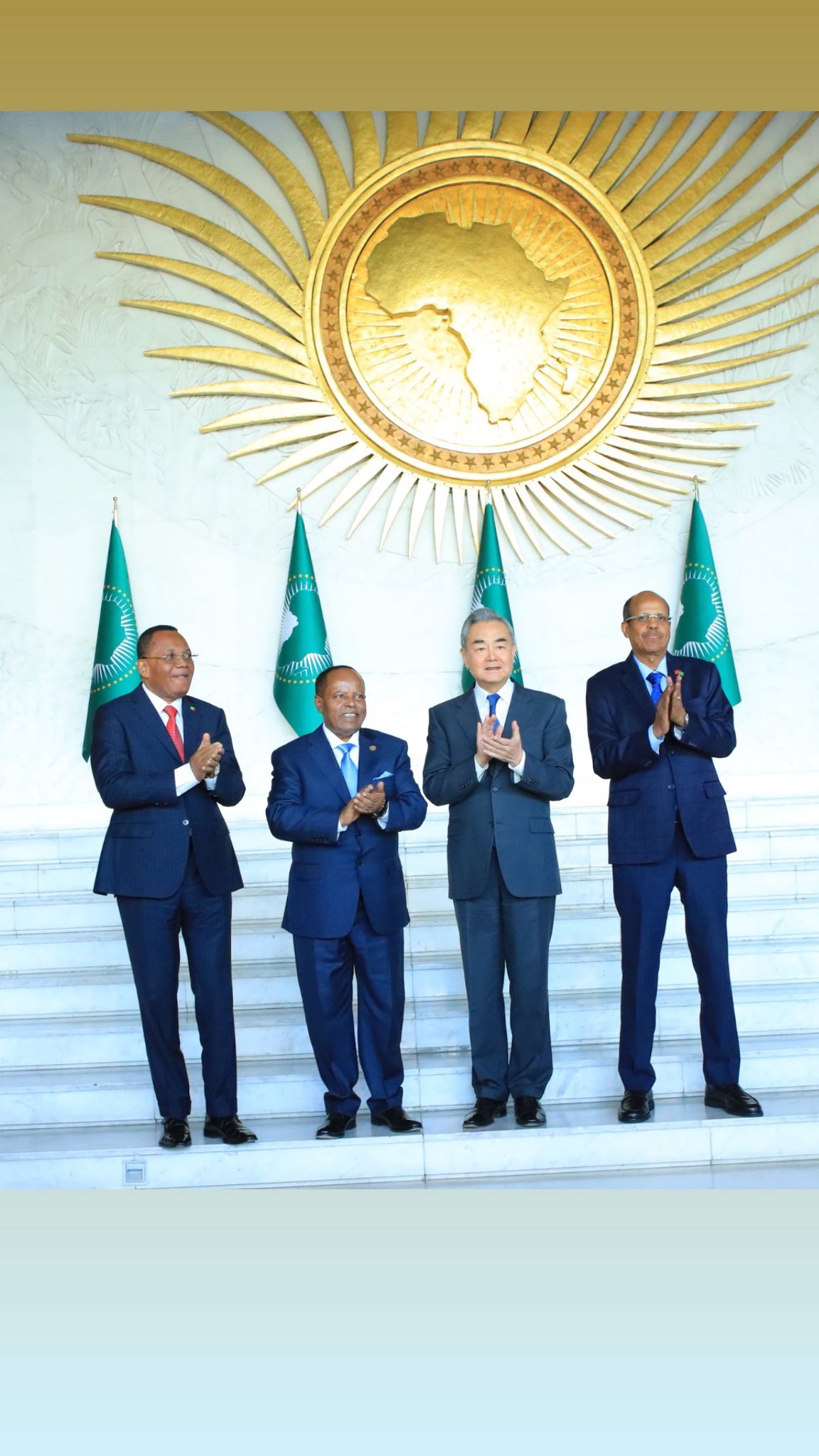
Addis Ababa, January 9, 2026 (ENA)—The African Union and China have launched the 2026 China-Africa Year of People-to-People Exchanges today at the AU Headquarters, marking a historic milestone in the 70-year diplomatic journey between the two sides.
High-level dignitaries gathered at the Multi-purpose Hall to launch the program, which seeks to transcend traditional relations by fostering deeper intellectual, cultural, and social synergy among the 2.8 billion citizens of China and the African continent.
The 2026 China–Africa Year of People-to-People Exchanges program is expected to expand scholarship quotas, streamline cultural-exchange visas and pilot a "fast-track" business-travel corridor for African entrepreneurs attending trade fairs in China.
In his opening address, President Taye Atske-Selassie shared a profound perspective on the cultural alignment between the two sides, noting that African human-centric world views like Ubuntu mirror the Confucian virtues of social harmony and empathy.
The President stated that the next decade of cooperation must prioritize the transfer of high-end technology, particularly in Artificial Intelligence and bio-technology.
Moreover, he pointed out that Africa must move away from being a mere exporter of raw materials, calling on Chinese partners to support the continent’s green, mineral strategy, and its path toward technological autonomy.
Chairperson of the African Union Commission, Mahmoud Ali Youssouf, welcomed the Chinese delegation, noting that this partnership is a cornerstone for the success of Agenda 2063.
Mahmoud highlighted the strategic depth of the relationship that spans infrastructure, energy, and the social sector.
As the international community faces a decline in multilateralism, the solidarity between Africa and China serves as a vital safeguard for a balanced global order, he remarked.
The Chairperson emphasized that the voices of nearly three billion people must weigh heavily in international decision-making, ensuring a future defined by mutual respect rather than hegemony.
China's Minister of Foreign Affairs, Wang Yi, described the initiative as a way to help China-Africa friendship grow deeper roots among the youth and grassroots communities.
Wang Yi reflected on a history that stretches back two millennia to the ancient Silk Road, noting that modern struggles for independence have forged a bond as close as brotherhood.
He proposed a future focused on "joint modernization," where China’s vast market becomes a catalyst for African industrialization through zero-tariff treatments and expanded vocational training via initiatives like the Luban workshops.


