Tigray Women Reaffirm Commitment to Meaningful Participation in National Dialogue - ENA English


Tigray Women Reaffirm Commitment to Meaningful Participation in National Dialogue
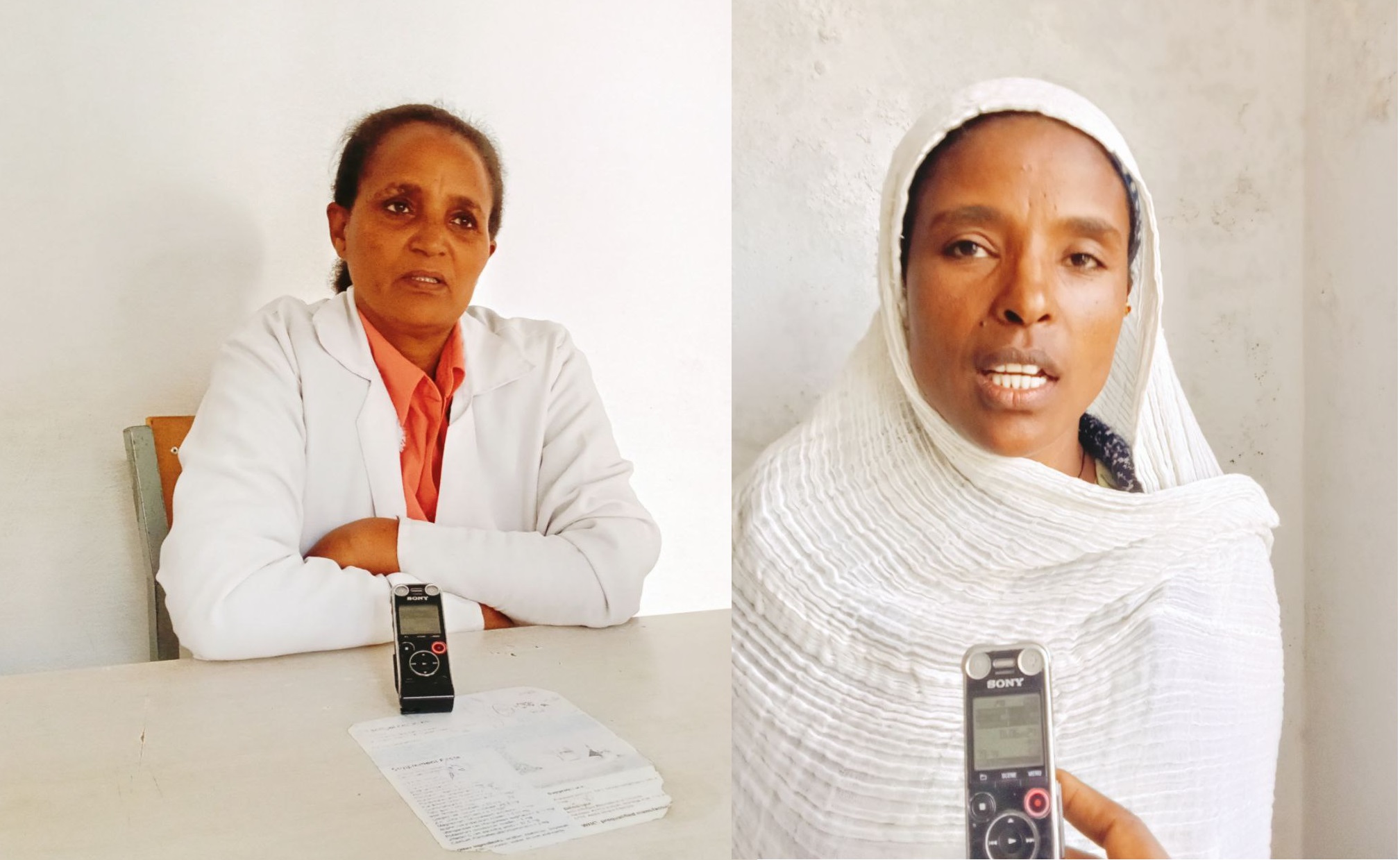
Women from towns across the Tigray region have reaffirmed their commitment to actively participate in the nationwide dialogue, stressing that addressing long-standing grievances through peaceful civil discourse reflects societal maturity and a path toward lasting solutions.
The Ethiopian National Dialogue Commission has already achieved significant milestones across eleven regions, two city administrations, and within the diaspora.
Residents of Tigray who spoke with the Ethiopian News Agency said that the establishment of the Commission offers a crucial platform for inclusive dialogue—one they say the people of Tigray must seize fully.
Kidan Haftu, a resident of Mekelle, noted that women and children invariably bear the heaviest burden during times of conflict.
She underscored that this reality necessitates women being at the forefront of peace-building efforts.
"The endeavor to bring lasting peace and stability by resolving Ethiopia's age-old problems through dialogue carries immense hope. We must not let this historic opportunity slip through our fingers," Kidan remarked.
She further urged the people of Tigray to participate actively in this landmark process, positioning themselves as architects of sustainable peace rather than mere observers.
From the Wojerat, Isra Adi Wereda in the South Eastern Zone, Tadelu Gebirehet shared that the dialogue process provides a beacon of hope for all citizens.
She affirmed her readiness to contribute her share toward the practical realization of the Commission's goals.
Similarly, Yordanos Gebrehawariya, another young resident, maintained that there is no alternative more effective than dialogue for resolving complex national issues.
She signaled her preparedness to engage vibrantly in what she described as a "historic opening."
The commentators collectively recalled the cycles of conflict that have exacted a heavy toll on successive generations of Ethiopians.
They concluded that seeking lasting solutions through structured conversation is no longer just an option, but a national necessity to break the cycle of violence and ensure a stable future for the coming generations.


