Ethiopia’s Efforts in Improving Coffee Quality, Productivity Gaining Momentum - ENA English


Ethiopia’s Efforts in Improving Coffee Quality, Productivity Gaining Momentum
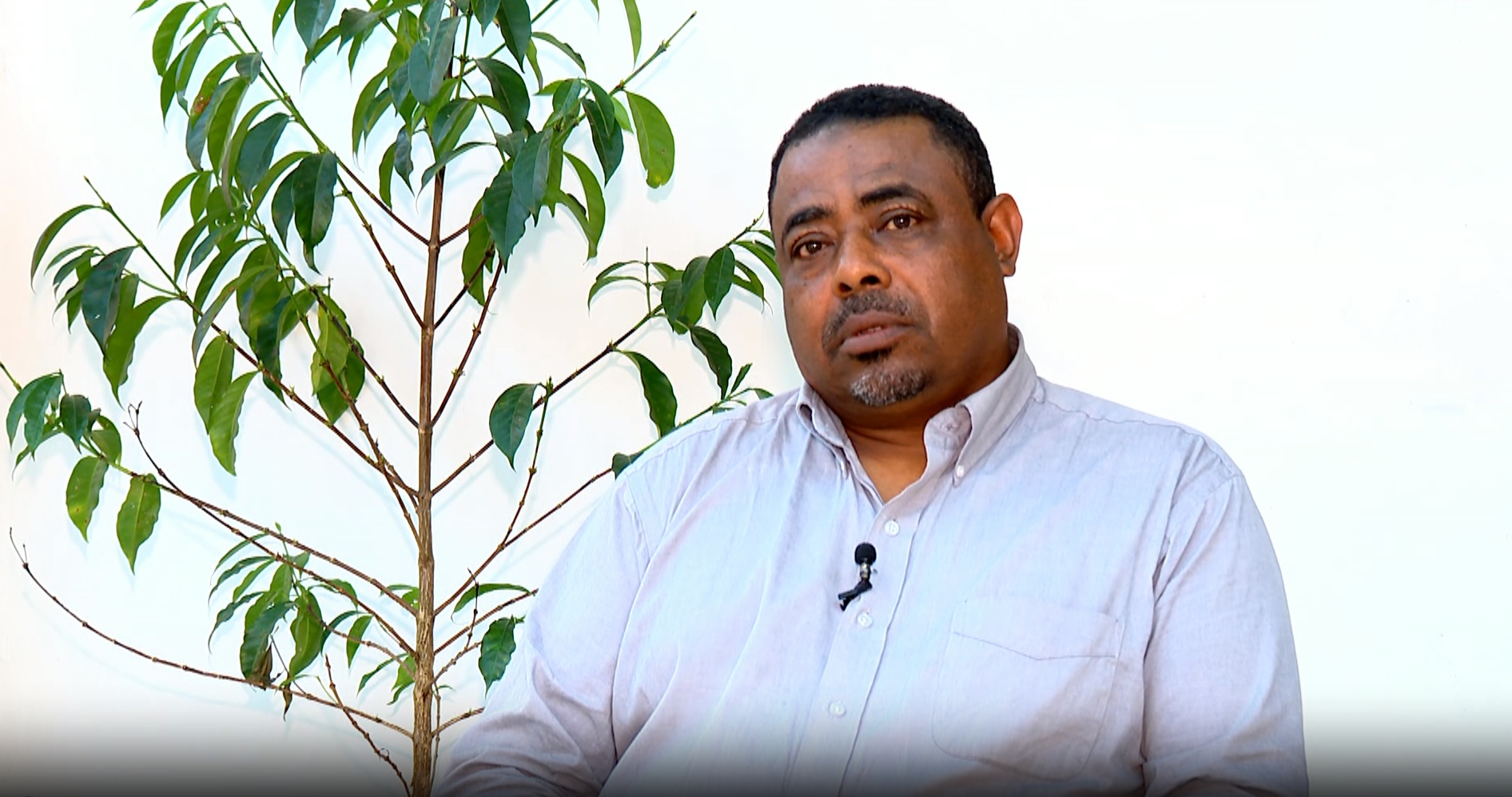
January 1, 2026 (ENA)— Ethiopia’s ongoing efforts to improve coffee productivity and quality are generating strong results, creating significant potential for foreign exchange earnings, and strengthening the country’s competitiveness in the global coffee market, according to the Ethiopian Coffee and Tea Authority.
The Authority reported that the adoption of improved coffee varieties, modern agricultural technologies, and sector-wide reforms have delivered tangible gains in production and export performance.
Coffee remains Ethiopia’s leading foreign exchange earner, and recent productivity improvements are translating into rising export revenues.
Ethiopian Coffee and Tea Authority Deputy Director-General, Shafi Omar, told ENA that extensive work has been carried out in recent years to increase coffee productivity.
The government is playing a decisive role in supporting economic growth by ensuring that coffee is produced in sufficient quantity and quality to meet international market demand, he added.
According to him, replacing aging coffee trees with improved varieties, expanding the use of modern technologies, and planting coffee seedlings under the Green Legacy Program have significantly improved productivity.
These reforms have also contributed to a steady rise in foreign exchange earnings.
Ethiopia's export earning has reached 1.6 billion USD during the first five months of 2025/26 fiscal year, jumping from 1.4 billion dollars in 2021/2022 and 907 million in 2020/2021.
The country plans to earn over 3 billion USD from export of 600,000 tons of coffee during the 2025/2026 fiscal year, it was learned.
Moreover, efforts are underway to expand value-added coffee products in international markets in addition to exporting raw coffee.
In a related development, Bale Zone Agriculture Office Deputy Head Muawiya Fuad stated that targeted interventions have been taken in the zone to improve quality and quantity of coffee.
Improved coffee seedlings have been widely distributed to farmers across the zone, and old and less productive coffee trees pruned or replaced to improve overall yield and quality.
The Deputy Head said that coffee is currently grown on more than 68,000 hectares of land and 407,400 quintals collected, representing 93 percent of the target in the zone.
The zone targets to supply 15,000 tons of coffee to the central market, it was learned.
To address challenges in production and post-harvest handling, the Agriculture Office has provided practical training on improving quality, increasing competitiveness, and maximizing economic benefits for producers, farmers and other stakeholders.
Farmers have also been encouraged to harvest only fully ripe red coffee cherries and to apply proper processing techniques to meet market standards.
As part of quality improvement efforts, more than 600,000 square meters of coffee drying wire beds have been prepared by private investors and various organizations across the zone.


