S. Sudanese Official Calls for Horn of Africa Climate Alliance, Hails Ethiopia as Model - ENA English
S. Sudanese Official Calls for Horn of Africa Climate Alliance, Hails Ethiopia as Model
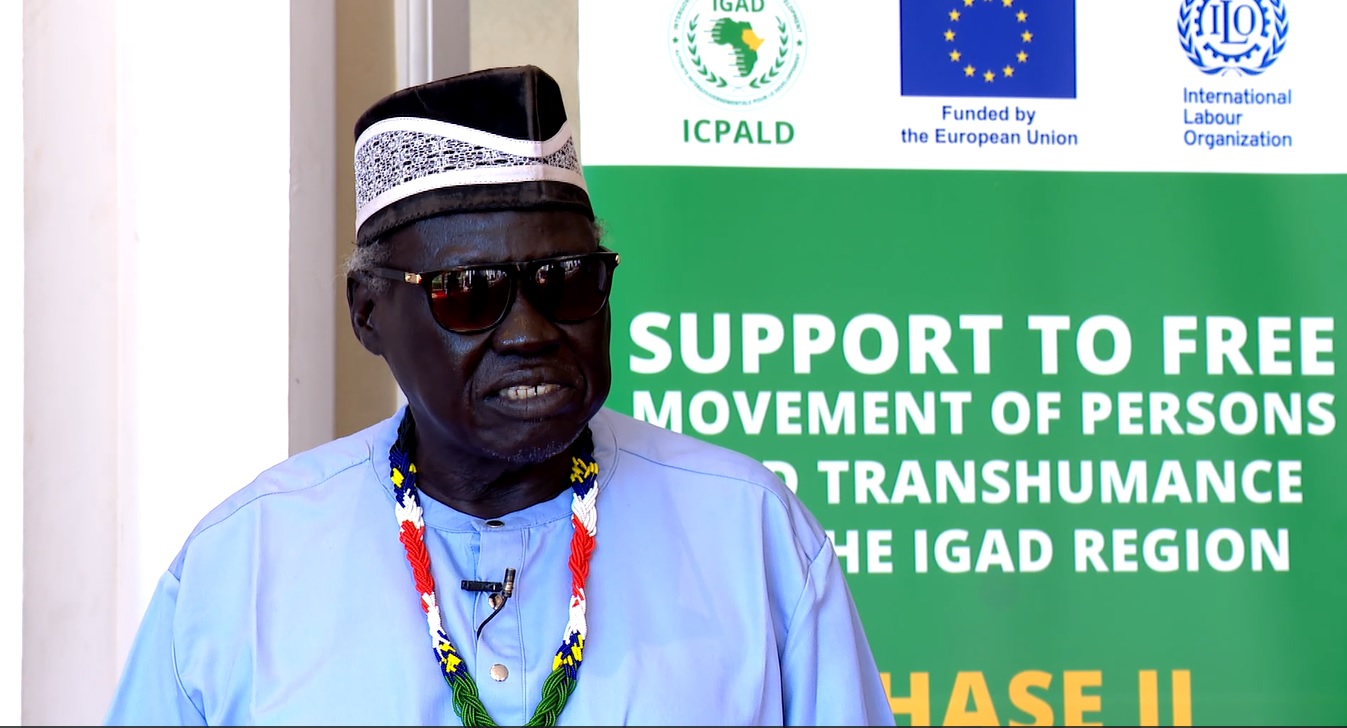
Addis Ababa, December 27, 2025 (ENA)—South Sudan’s Minister of Livestock and Fisheries, Onyoti Adigo Nyikwac, has called on Horn of Africa nations to deepen regional cooperation on livestock development and climate resilience, citing Ethiopia as a practical model for confronting shared environmental threats.
Approached by ENA, Minister Nyikwac said Ethiopia’s experience shows how coordinated policies and long-term investment can protect livelihoods in a region increasingly exposed to droughts and floods.
Highlighting Ethiopia’s Green Legacy Initiative, the minister said large scale reforestation is already delivering environmental benefits by reducing land degradation, stabilizing rainfall patterns, and restoring ecosystems critical to pastoral economies.
It is worth noting that as Ethiopia strengthens its green initiatives, the country is building on a long-standing tradition of environmental stewardship through large-scale tree planting, land restoration, and climate-resilient development strategies aimed at reversing deforestation and land degradation.
These efforts have yielded tangible benefits for Ethiopia’s livestock sector by improving pasture availability, enhancing soil fertility, safeguarding watersheds, and stabilizing local microclimates—key pillars for sustainable animal production.
“Ethiopia has made significant progress in livestock management and can support neighboring countries like South Sudan,” Nyikwac stated. “Instead of progressing in isolation, we need cooperation so our communities can cope together.”
He warned that climate change is inflicting severe damage across the region, with recurring cycles of prolonged drought followed by flash flooding wiping out herds, displacing communities, and undermining food security.
According to the minister, the loss of livestock has direct consequences for income, nutrition, and social stability in pastoral areas.
Nyikwac called on member states of the Intergovernmental Authority on Development to adopt coordinated mitigation and adaptation strategies, stressing that fragmented national responses are no longer sufficient.
He said regional collaboration should focus on climate resilient infrastructure, sustainable resource management, and capacity building at community level.
Among the priority measures he outlined were the development of cross border livestock corridors, expansion of reliable water points, and implementation of large scale pasture development programs to reduce pressure on degraded rangelands.
He also emphasized the need for stronger disaster preparedness, including clear protocols to relocate animals to higher ground during floods, as well as early warning systems to protect herders from climate shocks.
In addition, he underscored the importance of basic veterinary training and services to prevent avoidable losses from disease.
“Africa risks falling behind without coordinated action,” Nyikwac he revealed, adding that regional peace and economic stability are closely tied to the resilience of the livestock sector.