GERD Redefines Regional Power Integration, Economic Transformation, Says EEP - ENA English


GERD Redefines Regional Power Integration, Economic Transformation, Says EEP
Addis Ababa, December 26, 2025 (ENA)—The Ethiopian Electric Power (EEP) has reaffirmed that the Grand Ethiopian Renaissance Dam (GERD) is no longer merely a hydropower project, but a strategic engine reshaping Ethiopia’s economy and redefining regional energy cooperation.
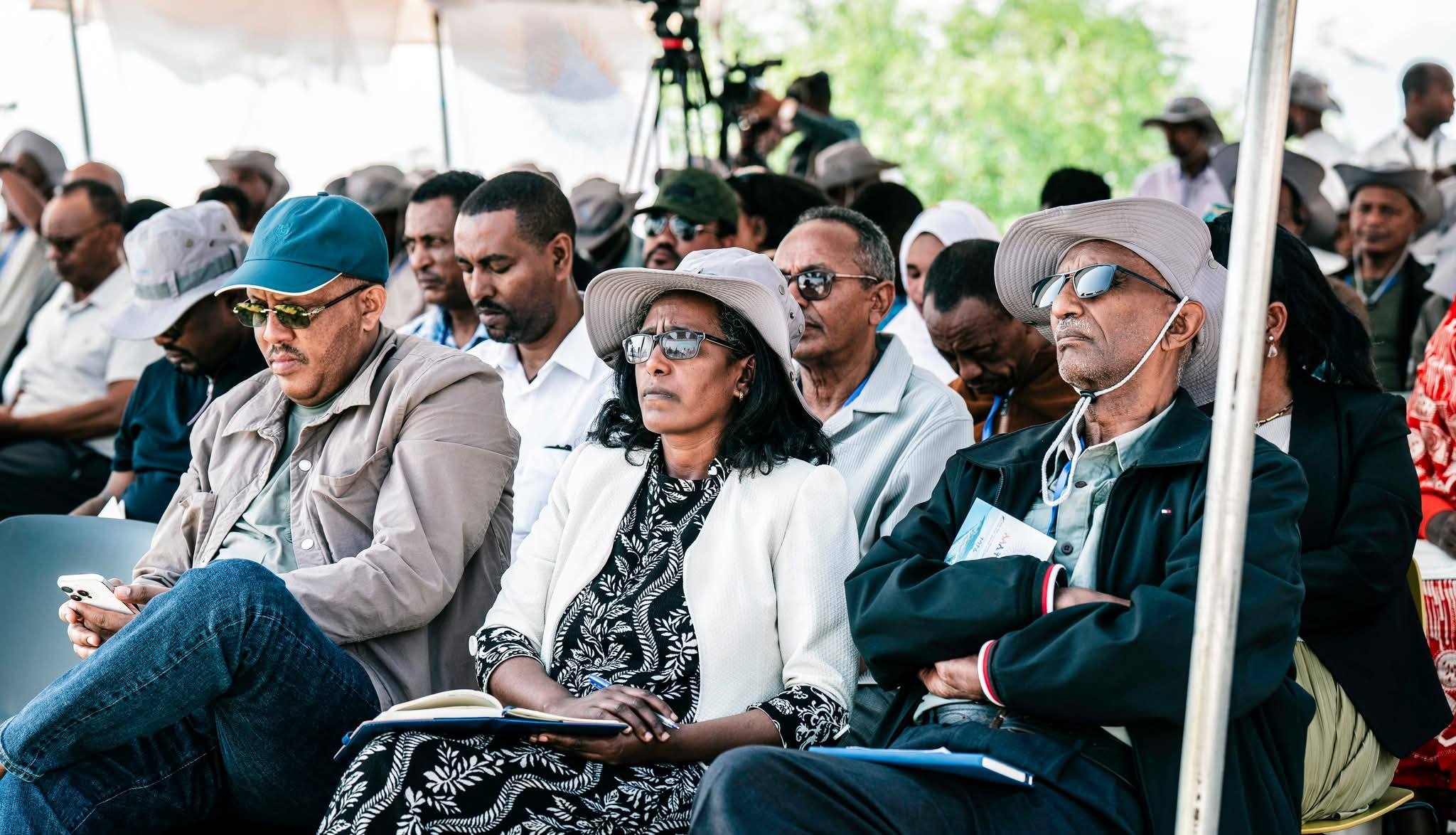
A high-level forum organized under the theme “GERD for Ethiopia’s Renewal” was held at Guba, at the site of the Grand Ethiopian Renaissance Dam.
Speaking at the forum EEP CEO Engineer Ashebir Balcha emphasized the GERD has reshaped Ethiopia’s power landscape while positioning the country as a key hub in East Africa’s emerging regional power grid.
In his presentation, the CEO emphasized that the dam has significantly expanded the country’s electricity generation capacity.
Ethiopia’s total installed capacity was under 5,000 megawatts before the construction of GERD, Ashebir stressed, adding, “with the dam now operational, the country’s supply has reached approximately 10,000 megawatts”.
According to him, the expansion marks a decisive shift for a country long constrained by energy shortages that limited industrial growth.
With nearly half of the population previously lacking reliable electricity, the GERD is now seen as the backbone of a stronger national grid and a foundation for sustained economic expansion, he added.
The dam is also accelerating regional integration and foreign currency earnings, the CEO further noted, recalling that Ethiopia currently exports electricity to Kenya, Djibouti, Sudan and supplies part of Tanzania’s demand.
In this case, the GERD alone accounts for 51 percent of the country’s total power exports, he added.
He further said that preparations are also underway to extend power supply to South Sudan and Somalia.
Ethiopia is increasingly recognized as a dependable supplier of clean and renewable energy, Ashebir noted, adding that the cross-border power trade reflects a broader strategy of energy diplomacy that prioritizes cooperation and shared infrastructure.
Fiseha Yitagesu, CEO of Industrial Parks Development Corporation (IPGC), on his part expressed that the economic impact is already visible in the industrial sector.
Speaking at the forum, he noted that the reliable electricity generation from the GERD has strengthened Ethiopia’s appeal to foreign investors, particularly in manufacturing.
“Over the next five years, industrial parks alone will require approximately 2,500 megawatts of electricity,” Fiseha said, adding, “The GERD is critical to meeting this rising demand and ensuring a stable, affordable power supply for large scale industries.”
He said dependable energy, once a major barrier to investment, is no longer a limiting factor, enabling Ethiopia to attract global manufacturers in textiles, agro-processing and other energy intensive sectors.
Other high-level participants also underscored the historical and symbolic importance of the project.
They emphasized that conceived as the engine of Ethiopia’s shift from an agrarian to an industrial economy, the GERD was financed entirely through domestic bonds and public contributions, reinforcing its status as a project of national sovereignty.
Deputy Government Whip Meseret Haile said the GERD stands as a living example of Ethiopia’s prosperity in action.
“The GERD is a historical legacy that reflects the unity of the Ethiopian people and will be passed on to future generations,” she said, noting its contribution to industrial productivity and economic growth.
Desalegn Wedaje, HPR Standing Committee on Planning, Budget and Finance Chairperson, on his part, described the dam as “a symbol of Ethiopia’s prosperity and the pride of the nation,” calling for new systems to expand tourism potential around the site.
Prime Minister Abiy Ahmed’s Advisor on East African Affairs Getachew Reda also said the successful completion of the GERD has widened Ethiopia’s development horizon.
“The dam has created the confidence to dream of even bigger national projects,” he said.
Aregawi Berhe, CEO of GERD Project Coordination Office, on his part emphasized the unifying power of the dam.
“The GERD is about creating a spirit of possibility among all Ethiopians,” he said.
Policy Study Institute (PSI) Director General Fikadu Tsega also explained the project has boosted industrial productivity and strengthened the implementation of Digital Ethiopia.
“The GERD has become a clear example of Ethiopia’s revival in practice,” he said.
As Ethiopia moves toward full operational capacity of the dam, officials and experts agreed that the GERD now stands as a cornerstone of national renewal, linking energy security with industrial ambition and regional cooperation while translating natural resource potential into tangible economic gains.


