Ethiopia’s Maritime Access Generational Quest for Survival—Scholars - ENA English


Ethiopia’s Maritime Access Generational Quest for Survival—Scholars
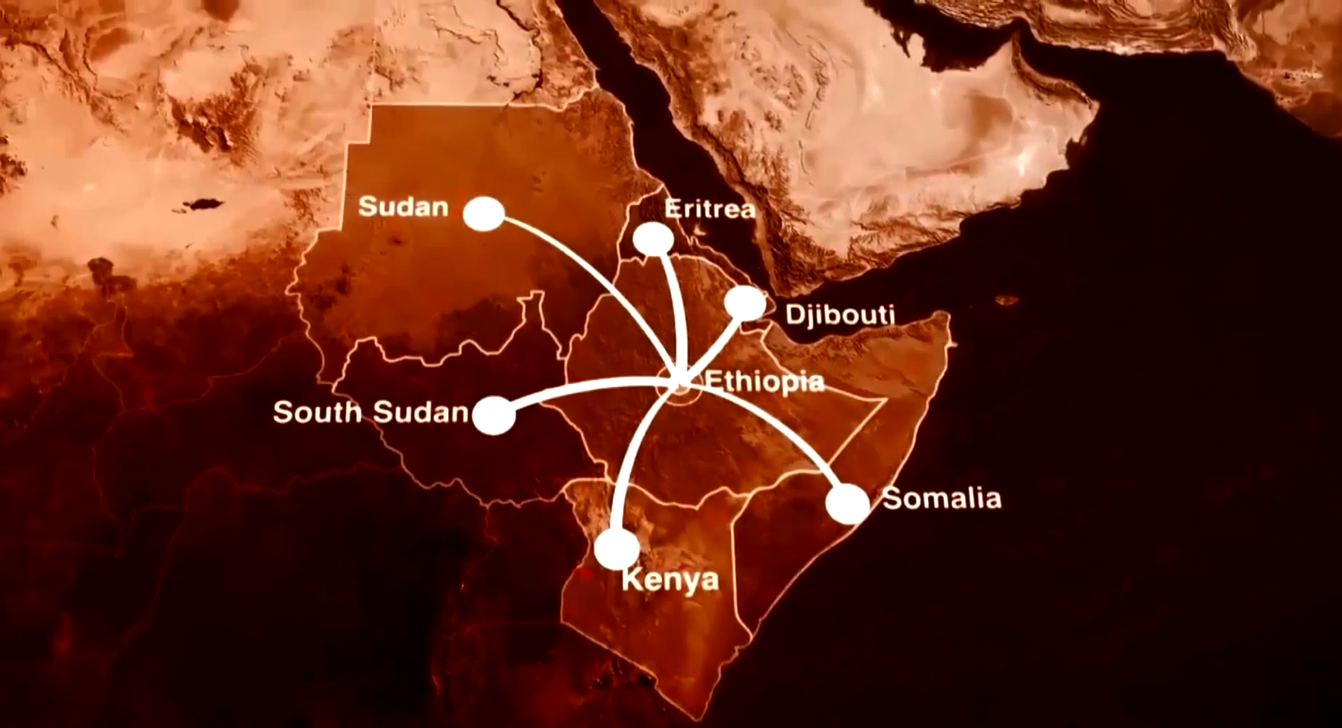
Addis Ababa, December 20, 2025 (ENA) —Scholars contend that Ethiopia’s pursuit of sovereign maritime access transcends mere policy; it is an existential imperative and a profound generational demand essential to the nation's survival.
Despite its historical legacy as a maritime power and its proximity to the Red Sea, Ethiopia remains landlocked—a geographical anomaly that has long stifled its potential.
Experts argue that through the lenses of history, geography, and international law, this confinement requires a permanent and equitable resolution.
In his seminal work, Assab: To Whom Does It Belong?, the distinguished legal scholar Yakob Hailemariam meticulously details the disparity between coastal and landlocked nations.
Drawing on the insights of economist Paul Collier, Yakob highlights a stark reality: "Without a sea outlet, your market is restricted to your neighbors; with a sea outlet, your market is the entire world."
For a nation of more than 130 million people, the limitations of landlocked status are increasingly viewed as unjust, with Ethiopia’s call for maritime access gaining growing international attention.
Speaking with ENA, socio-economic experts from Mekelle city underscored the urgency of this defining issue.
Social science expert Mezeker Gebrehiwot asserted that Ethiopia cannot sustain its current trajectory while remains shuttered from the coast.
He noted that a burgeoning economy, rapid demographic growth, and the geostrategic significance of the Red Sea make it imperative that Ethiopia’s rights to maritime access be honored.
Economic expert Hadera Bahita broadened the context, noting that genuine regional integration and shared prosperity in the Horn of Africa depend on equitable use of the Red Sea.
She argued that any regional peace efforts or developmental blocs that exclude Ethiopia from maritime participation are inherently incomplete.
Hadera emphasized that Ethiopia’s access is a pillar for regional stability.
The economic cost of confinement remains the primary driver of this urgency.
As Yakob notes in his research, a coastal nation can achieve in 24 years the level of growth that takes a landlocked country 36 years to reach.
To secure its future and protect the integrity of its supply lines, Ethiopia views sovereign access to the sea as an inevitable necessity and has continued to intensify its legitimate pursuit of this right.


