Global Media Frame on PM Modi’s Ethiopia Visit: A Strategic Outreach in Africa and the Global South - ENA English
Global Media Frame on PM Modi’s Ethiopia Visit: A Strategic Outreach in Africa and the Global South
Yordanos D.
Addis Ababa, December 14, 2025 (ENA) —Indian Prime Minister Narendra Modi’s December 16–17, 2025 visit to Ethiopia received extensive coverage in Indian, African, and international media, with reports highlighting a central theme: the visit represented both a diplomatic milestone and a strategic signal amid shifting power dynamics in Africa and the broader Global South.
As the visit concluded, global media narratives revealed clear differences in emphasis. Indian outlets foregrounded warmth, symbolism and cultural affinity, while international news agencies framed the trip within broader geopolitical competition and India’s expanding strategic footprint on the African continent. African media, meanwhile, highlighted Ethiopia’s role as a continental gateway and diplomatic anchor.
Framing Ethiopia as a Strategic Diplomatic Hub
Many African outlets emphasized Ethiopia’s importance not just as a host but as a diplomatic center in Africa. Addis Ababa, as the seat of the African Union, gives Ethiopia a unique continental leadership position — a role African media highlighted as central to the success and symbolism of the visit. Modi’s visit was thus framed not simply as bilateral diplomacy but as affirming Ethiopia’s relevance in broader Africa Global South relations.
Highlighting Ethiopia’s Global South Leadership
African press coverage underscored the visit as an opportunity for South–South cooperation and collective global voice— ideas that resonate strongly in many African media narratives. Reports noted how both Ethiopian and Indian leaders pledged to amplify Africa’s role in global decision making, positioning Ethiopia as a partner helping bridge African and Indian interests on issues like development, technology, and peacekeeping.
Warm Reception as Symbol of Ethiopia’s Diplomatic Weight
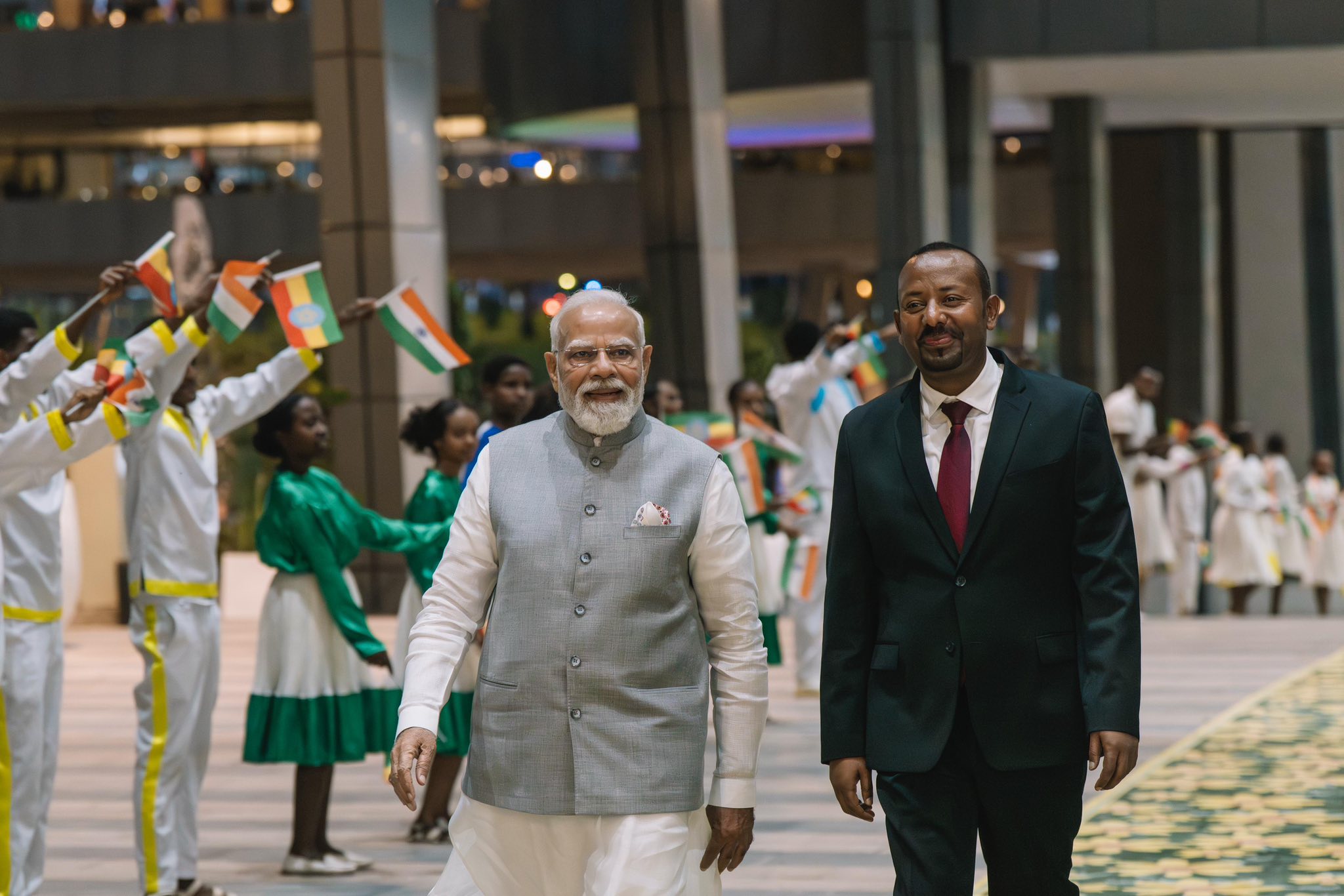
Positive reporting often showcased the ceremonial and symbolic aspects of Ethiopia’s hospitality — such as the warm welcome by Ethiopian leadership, cultural performances, and Ethiopia’s conferment of its highest civilian honor on PM Modi. These stories conveyed Ethiopia’s agency and diplomatic grace in hosting a major global leader, reinforcing its image as an influential African capital.
Emphasis on Ethiopia’s Economic and Strategic Partnerships
Some media outlets, particularly African media highlighted Ethiopia’s economic dynamism and potential as a partner state, noting that India is among the country’s growing sources of investment and cooperation. Coverage pointed to agreements on data infrastructure, peacekeeping training, and economic collaboration — framing Ethiopia as proactive and strategic in shaping partnerships beyond traditional Western engagement models.
Broad African Interest and Positive Tone
Pan African outlets like Africanews reported the visit within the context of global South solidarity, with narratives focusing on how India’s visit was an occasion for collective diplomatic messaging rather than just a bilateral event. They often highlighted shared historical ties and mutual respect, signaling that Ethiopia’s role was appreciated both regionally and continentally.
Indian Media: Ceremony, Pride and Strategic Friendship
Indian media outlets including The Times of India, NDTV and ANI offered extensive and celebratory coverage. Particular prominence was given to Prime Minister Modi’s address to the Ethiopian Parliament and the conferral of Ethiopia’s highest civilian honour.
The Times of India described the visit as a milestone in bilateral relations, quoting Modi as saying he “felt at home in Ethiopia” and referring to “shared civilisational links that go back centuries.” The paper reported that the award recognised “his contribution to strengthening India–Ethiopia friendship” and framed the elevation of ties to a Strategic Partnership as a major diplomatic success.
Symbolic gestures featured prominently. The same outlet highlighted Prime Minister Abiy Ahmed personally driving Modi to the airport, calling it a “royal farewell that reflected extraordinary personal warmth.” Cultural moments were also underscored, including a state banquet performance of Vande Mataram, which Modi described as “a moving expression of friendship between the two nations.”
International Media: Strategy, Competition and the Global South
International news agencies adopted a more restrained and analytical tone. Reuters characterised the visit as “geopolitical,” reporting that Modi’s trip and his address to parliament “signalled India’s expanding push into Africa.” The agency highlighted India’s five-billion-dollar investment footprint on the continent and linked the visit to “growing competition among global powers for influence across Africa,” especially in light of Ethiopia’s BRICS membership.
Associated Press focused on outcomes rather than ceremony, noting agreements on debt treatment under the G20 Common Framework, technology cooperation and security engagement. AP quoted Modi as saying the partnership would be guided by “inclusive development and respect for sovereignty,” adding that India is seeking to position itself as “a development partner rather than a dominant power.”
Al Jazeera placed the visit within India’s broader ambition to consolidate leadership in the Global South. Its analysis extended beyond bilateral ties, pointing to implications for the Horn of Africa and the Middle East, and emphasising diplomacy, development cooperation and regional positioning.
BBC and France 24 drew attention that Prime Minister Abiy Ahmed personally received Modi. Both described the gesture as a sign of diplomatic “closeness,” while situating the visit within wider global geopolitical trends. Analysts cited by these outlets suggested future coverage would examine how India’s outreach intersects in Ethiopia and the region.
Continental Media: Ethiopia as Africa’s Diplomatic Anchor
African media largely framed the visit as a significant step in Africa–India relations. Africa News and The East African stressed Addis Ababa’s position as the headquarters of the African Union, reporting that India intends to expand cooperation with Africa in security, health and technology.
South Africa’s SABC and leading Nigerian outlets interpreted the visit as part of India’s broader Africa strategy, describing Ethiopia as an “anchor” country through which New Delhi seeks to deepen its continental engagement and project a partnership model for other African states.
Shared Themes across Coverage
Despite differing editorial lenses, several themes cut across reporting. Media repeatedly noted the historic nature of the visit, pointing out that Modi is the first Indian prime minister to travel to Ethiopia in fourteen years. Coverage emphasised the elevation of relations from long standing friendship to a strategic partnership, and highlighted shared commitments to amplifying the voice of the Global South in multilateral forums such as the United Nations and BRICS.
Overall, global and continental media coverage has positioned Ethiopia as a key interlocutor between Africa and emerging global partners, reinforcing perceptions of its strategic importance amid a shifting geopolitical landscape, particularly in the context of South–South cooperation and multipolar engagement.
The reporting was markedly positive: for Indian audiences, the visit was framed as a moment of national pride and diplomatic affirmation, while international readers saw it as part of a broader narrative on South–South collaboration, strategic competition, and Ethiopia’s rising geopolitical prominence as both the African Union host and a BRICS member.
In sum, global media treatment of Modi’s visit to Ethiopia underscores the layered nature of contemporary diplomacy, blending strategy and power politics, and further consolidates Ethiopia’s image as an increasingly central actor in emerging global alignments.