Public Dialogues on Achievements of 'Medemer State' Underway in Ethiopian Cities - ENA English


Public Dialogues on Achievements of 'Medemer State' Underway in Ethiopian Cities
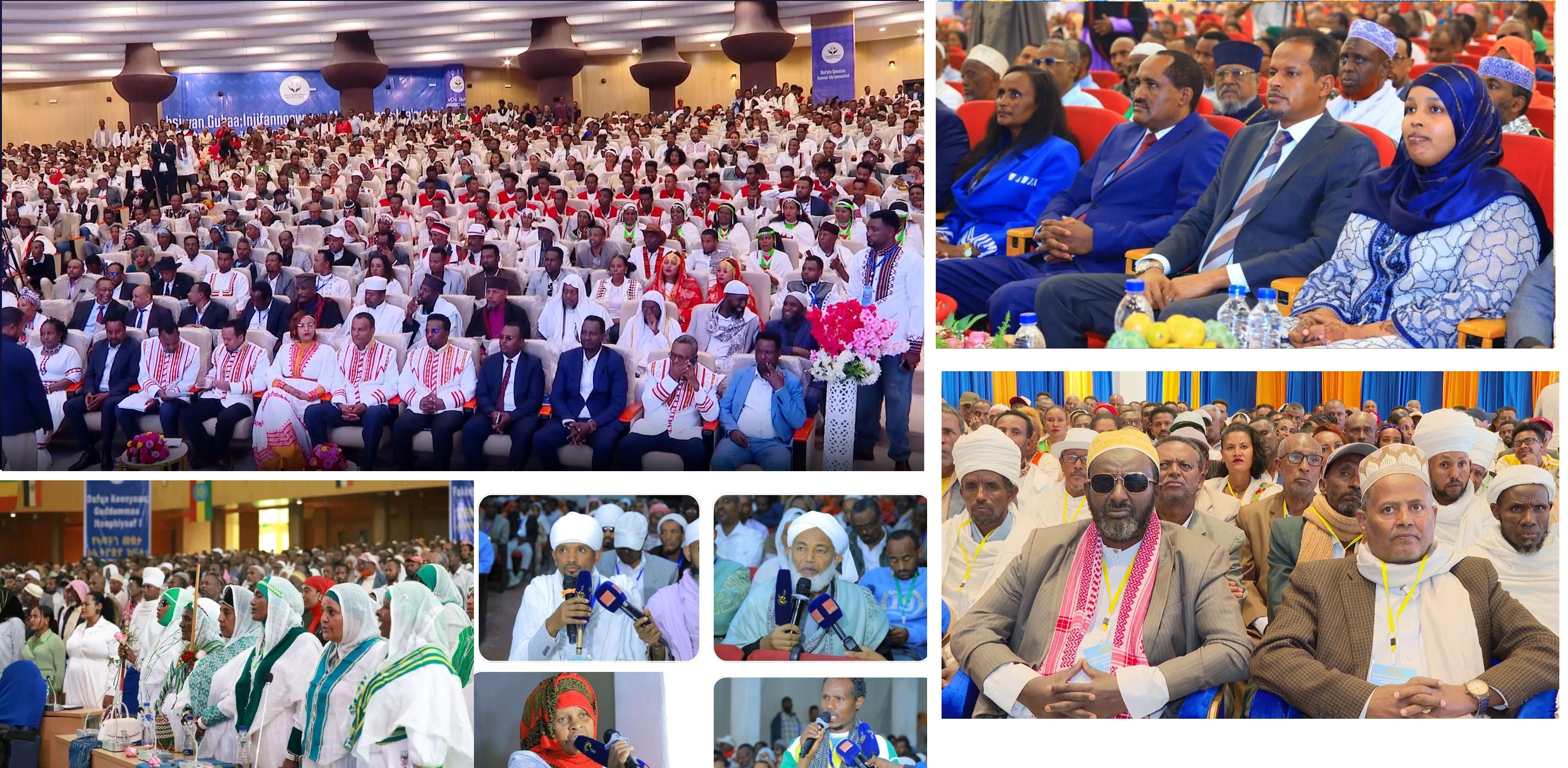
Addis Ababa, December 13, 2025 (ENA) — A nationwide public dialogue, which brought together citizens and leaders to collectively reflect on national achievements, examine persistent challenges, and reinforce ownership of the country’s reform and transformation journey, is underway across cities in Ethiopia.
Themed “The Virtues of Guba: Achievements of the Medemer State ”, the dialogue series is set to take place this weekend in more than 25 cities, including Adama, Jimma, Bahir Dar, Gondar, Gode, Dire Dawa, Bonga, and Wolayta Soddo.
Despite geographic and socio-cultural diversity, all discussions are guided by a unified national theme and agenda.
The dialogues form part of a broader nationwide civic engagement initiative aimed at fostering an inclusive national conversation around the Medemer State philosophy.
The philosophy emphasizes unity, cooperation, collective responsibility, and homegrown solutions as foundations for sustainable national progress.
The dialogues seek to consolidate achievements realized through close cooperation between the government and the people, deepen public ownership of development outcomes, and gather constructive public input to guide future national priorities.
It also aim to move beyond past divisive political paradigms by promoting a shared national narrative rooted in common purpose and mutual responsibility.
Participants drawn from diverse segments of society — including religious leaders, elders, youth and women, business communities, investors, professionals, and scholars — are actively engaging in the discussions, reflecting the inclusive spirit of the Medemer approach.
The dialogues focus on the major achievements of the Medemer State philosophy, progress made in addressing long-standing public demands, and upcoming national initiatives described as “next-phase promises.”
Across the cities, residents acknowledged that multi-sectoral development efforts in recent years have produced tangible and people-centered results.
In Adama, participants highlighted corridor development projects, agricultural transformation — particularly in wheat, fruits, and vegetables — improved service delivery, and urban modernization as key milestones that have visibly transformed the city and improved livelihoods.
The residents also praised major national projects such as the Grand Ethiopian Renaissance Dam (GERD), fertilizer manufacturing initiative, natural gas development, and Ethiopia’s renewed pursuit of sovereign access to sea, describing them as strategic investments in long-term national resilience.
However, the speakers also emphasized that rising living costs, unemployment, housing shortages, and service quality gaps still require sustained, coordinated action from both government and citizens.
In Dire Dawa, participants noted that development and good governance reforms implemented following the national reform process have addressed core public concerns, stressing the need to further strengthen and institutionalize these gains.
The residents cited progress in road and corridor construction, agriculture, mining, industry, tourism, and youth-focused initiatives.
Women participants pointed to encouraging advances in women’s leadership and decision-making roles, while religious leaders underscored the importance of sustained collaboration in promoting peace, unity, and social cohesion.
Youth representatives welcomed the acknowledgment of unemployment challenges and called for expanded job creation and deeper governance reforms.
In Bahir Dar, participants underscored that ensuring peace remains the cornerstone for realizing the large-scale, intergenerational development projects underway across the Amhara Region and the country at large.
The residents praised the government for launching and advancing strategic infrastructure and development initiatives, describing them as investments that benefit both present and future generations.
They also commended the elevation of Ethiopia’s long-standing sea access question into a national strategic agenda grounded in legal, economic, and practical considerations, emphasizing the need for unity and public support to ensure success.
Officials facilitating the dialogues explained that the discussion documents were developed based on questions, grievances, and feedback raised by citizens in previous engagements, particularly concerning social services, development performance, cost of living pressures, unemployment, and peace.
They stated that the dialogues are designed not only to assess how far the government has progressed in addressing these concerns, but also to reinforce the constitutional principle that sovereign power ultimately resides with the people.
Senior officials emphasized that sustained public dialogues enhance government implementation capacity, strengthen accountability, and deepen civic participation; all of which are essential for delivering durable solutions to long-standing challenges.
Across all cities, participants consistently called for stronger measures to curb cost of living, create employment opportunities, and improve housing supply, among others.
Officials reaffirmed that the government will enhance efforts in innovation, particularly in agricultural productivity, job creation, digital services, industrial development, and social protection.
They further stressed that organized, informed, and constructive public participation remains critical to translating national commitments into concrete results and elevate Ethiopia’s development trajectory to a higher and more sustainable level.


