UN Nuclear Agency Official Hails Nuclear Power as Catalyst for Ethiopia’s Clean Energy Future - ENA English


UN Nuclear Agency Official Hails Nuclear Power as Catalyst for Ethiopia’s Clean Energy Future
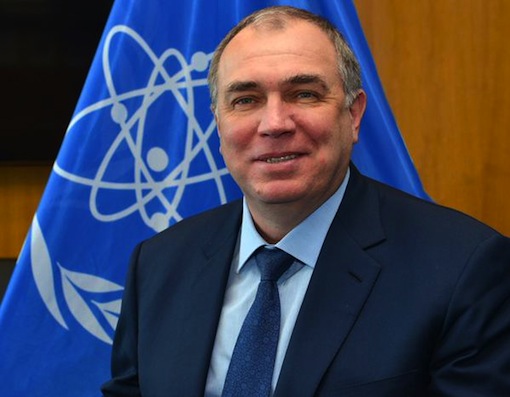
Addis Ababa, December 10, 2025—Ethiopia’s plans to introduce nuclear energy are expected to play a pivotal role in expanding access to clean and reliable electricity, as the country aspires to do, according to Dr. Mikhail Chudakov, Deputy Director General of the International Atomic Energy Agency (IAEA),
Approached by ENA this week in Addis Ababa during a high-level event marking the official launch of Ethiopia’s Nuclear Power Programme, the Deputy Director General lauded the country’s development efforts in the energy sector.
He expressed his honor in attending Ethiopia’s nuclear program launch, highlighting the country’s rapid cultural and industrial progress.
He specifically highlighted major projects, such as the Grand Ethiopian Renaissance Dam (GERD), as evidence of Ethiopia’s strong commitment to development.
“Ethiopia is making great progress in cultural and industrial transformation. The growth of Addis Ababa and major projects like the GERD show the country’s strong commitment to development.”
According to Chudakov, Ethiopia’s rising energy demand, expected to multiply several times over the next decade, makes new sustainable power sources essential.
With more than 40 percent of the population still lacking access to electricity, nuclear power, he emphasized, will be vital in meeting future needs.
“Nuclear power is one of the greenest and most reliable energy sources,” he stated. “It will support industrialization, mining, data infrastructure and overall socioeconomic progress for the benefit of all Ethiopians. We are happy to work with the government to build a safe and sustainable nuclear energy system.”
He reaffirmed the IAEA’s commitment to assist Ethiopia using its full range of technical expertise and safety standards.
“We will help ensure Ethiopia’s nuclear programme progresses steadily and safely. We wish Ethiopia great success in this ambitious energy transition.”
Chudakov, who also heads the IAEA Department of Nuclear Energy, highlighted Africa’s growing interest in nuclear technologies.
Currently, only South Africa generates nuclear electricity, accounting for a very small share of the continent’s power production. However, several countries including Egypt, Morocco, Sudan, Niger, Nigeria, Kenya and Uganda are developing nuclear infrastructure.
He confirmed that Ethiopia is being supported in the same way across nineteen critical development areas such as grid readiness, regulatory frameworks, emergency preparedness, radiation protection and workforce training.
“Ethiopia already has a foundation in many of these areas,” he said. “The key now is organizing the system to enable safe construction and future operation of nuclear power plants. We will remain strong partners as Ethiopia brings nuclear energy into its power mix.”
The planned construction of a mega nuclear power plant, part of Prime Minister Abiy Ahmed’s recently announced $30 billion development initiatives, is set to boost Ethiopia’s energy security and drive industrial transformation.


