Nuclear Power Project Pillar to Meet Ethiopia's Growing Energy Demand: FM Gedion - ENA English


Nuclear Power Project Pillar to Meet Ethiopia's Growing Energy Demand: FM Gedion
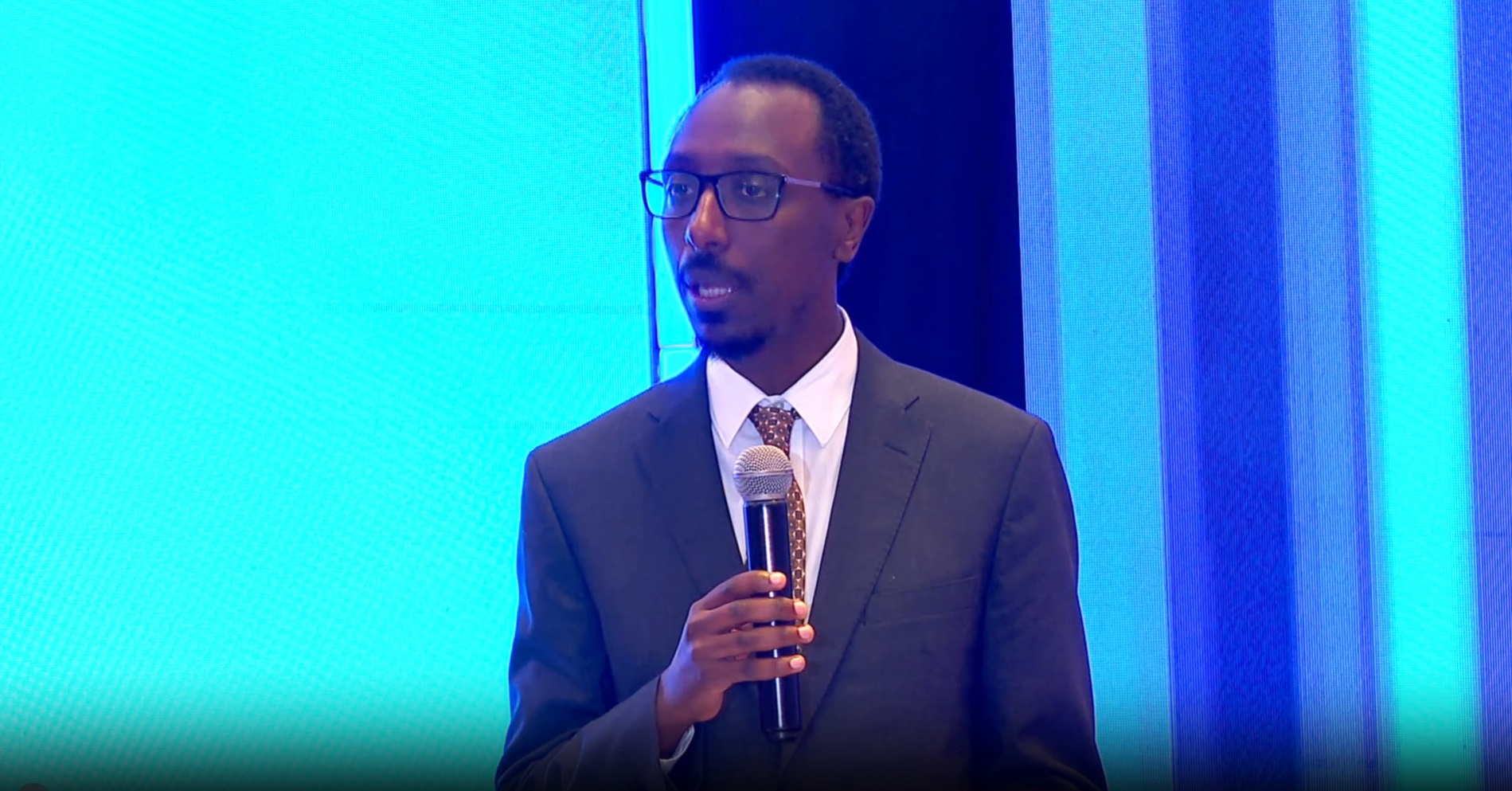
Addis Ababa, December 8, 2025 (ENA) — The establishment of a nuclear energy project is a pillar for Ethiopia to meet both its current and future energy demands, Foreign Minister Gedion Timothewos said.
His remark was made during a high-level event launching the Ethiopian Nuclear Power Programme in Addis Ababa today.
The gathering brought together high-ranking officials, including Foreign Minister Gedion Timothewos, Ethiopian Nuclear Energy Commissioner Sandokan Debebe, and Mikhail Chudakov, Deputy Director General and Head of the Department of Nuclear Energy at the International Atomic Energy Agency (IAEA), along with other senior government officials and stakeholders.
It was learned that the construction of a mega nuclear power plant, which is part of the 30 billion USD mega development initiatives recently announced by Prime Minister Abiy Ahmed, is aimed at strengthening Ethiopia’s energy security and supporting industrial transformation.
According to Gedion , the establishment of a nuclear power plant is national flagship project that will serve as a pillar for Ethiopia to meet both its current and future energy demands.
"Our vision is to build a nation where every household has access to clean, reliable, and affordable electricity," he said.
The Minister underscored the imperative of modernizing Ethiopia’s energy infrastructure, particularly in the context of emerging technologies such as artificial intelligence and quantum computing, which demand substantial electricity supplies.
Gedion pointed out that the electricity requirements for data centers are projected to double by 2030, even as the environmental impacts of fossil fuels become increasingly pronounced. In this light, nuclear technology is emerging as a dependable, long-term solution for Ethiopia's energy needs.
"As a rapidly growing economy, strategic investments are needed to meet our long-term energy requirements," he noted.
"If we invest wisely today, we can secure a brighter future powered by clean energy." The Foreign Minister asserted that nuclear power could accelerate urbanization and industrialization across the nation.
To implement this vision, the Ethiopian government has established the Ethiopian Nuclear Energy Commission as the institutional hub for developing its nuclear program.
The objective is to create a comprehensive framework for the peaceful use of nuclear technology across various sectors, including health and agriculture.
In collaboration with the International Atomic Energy Agency (IAEA), Ethiopia is committed to upholding stringent safety and transparency standards in its nuclear endeavors. The IAEA has been instrumental in providing advisory support for the application of nuclear technology.
Gedion reaffirmed Ethiopia’s ambition to become a beacon of African prosperity through diversified energy sources.
He expressed hope that the Ethiopian Nuclear Energy Commission would evolve into a leading center of excellence in Africa, inspiring other nations to embark on similar initiatives.
Reflecting on Ethiopia's historical challenges, he remarked, "Just as the launch of Ethiopian Airlines once seemed ambitious, so too is our nuclear ambition today. With resolve and determination, we will realize our dreams of a nuclear-powered Ethiopia."
The Ethiopian Nuclear Energy Commission was established in October 2025 to oversee the peaceful use of nuclear technology in the country. Its primary mandate includes the development of nuclear power for electricity generation, while also supporting industrial growth, food security, healthcare delivery, and scientific research.
The ENPC is dedicated to ensuring that all activities comply with international safety standards, particularly those set by the International Atomic Energy Agency (IAEA). One of the key functions of the ENPC is to guide the application of nuclear technology across various sectors, emphasizing sustainable development.
The commission will coordinate national efforts in critical areas, including electricity generation, industrial development, food security, health services, and scientific research, ensuring that Ethiopia harnesses the benefits of nuclear technology effectively and responsibly.
Nuclear Power Project Pillar to Meet Ethiopia's Growing Energy Demand: FM Gedion
Addis Ababa, December 8, 2025 (ENA) — The establishment of a nuclear energy project is a pillar for Ethiopia to meet both its current and future energy demands, Foreign Minister Gedion Timothewos said.
His remark was made during a high-level event launching the Ethiopian Nuclear Power Programme in Addis Ababa today.
The gathering brought together high-ranking officials, including Foreign Minister Gedion Timothewos, Ethiopian Nuclear Energy Commissioner Sandokan Debebe, and Mikhail Chudakov, Deputy Director General and Head of the Department of Nuclear Energy at the International Atomic Energy Agency (IAEA), along with other senior government officials and stakeholders.
It was learned that the construction of a mega nuclear power plant, which is part of the 30 billion USD mega development initiatives recently announced by Prime Minister Abiy Ahmed, is aimed at strengthening Ethiopia’s energy security and supporting industrial transformation.
According to Gedion , the establishment of a nuclear power plant is national flagship project that will serve as a pillar for Ethiopia to meet both its current and future energy demands.
"Our vision is to build a nation where every household has access to clean, reliable, and affordable electricity," he said.
The Minister underscored the imperative of modernizing Ethiopia’s energy infrastructure, particularly in the context of emerging technologies such as artificial intelligence and quantum computing, which demand substantial electricity supplies.
Gedion pointed out that the electricity requirements for data centers are projected to double by 2030, even as the environmental impacts of fossil fuels become increasingly pronounced. In this light, nuclear technology is emerging as a dependable, long-term solution for Ethiopia's energy needs.
"As a rapidly growing economy, strategic investments are needed to meet our long-term energy requirements," he noted.
"If we invest wisely today, we can secure a brighter future powered by clean energy." The Foreign Minister asserted that nuclear power could accelerate urbanization and industrialization across the nation.
To implement this vision, the Ethiopian government has established the Ethiopian Nuclear Energy Commission as the institutional hub for developing its nuclear program.
The objective is to create a comprehensive framework for the peaceful use of nuclear technology across various sectors, including health and agriculture.
In collaboration with the International Atomic Energy Agency (IAEA), Ethiopia is committed to upholding stringent safety and transparency standards in its nuclear endeavors. The IAEA has been instrumental in providing advisory support for the application of nuclear technology.
Gedion reaffirmed Ethiopia’s ambition to become a beacon of African prosperity through diversified energy sources.
He expressed hope that the Ethiopian Nuclear Energy Commission would evolve into a leading center of excellence in Africa, inspiring other nations to embark on similar initiatives.
Reflecting on Ethiopia's historical challenges, he remarked, "Just as the launch of Ethiopian Airlines once seemed ambitious, so too is our nuclear ambition today. With resolve and determination, we will realize our dreams of a nuclear-powered Ethiopia."
The Ethiopian Nuclear Energy Commission was established in October 2025 to oversee the peaceful use of nuclear technology in the country. Its primary mandate includes the development of nuclear power for electricity generation, while also supporting industrial growth, food security, healthcare delivery, and scientific research.
The ENPC is dedicated to ensuring that all activities comply with international safety standards, particularly those set by the International Atomic Energy Agency (IAEA). One of the key functions of the ENPC is to guide the application of nuclear technology across various sectors, emphasizing sustainable development.
The commission will coordinate national efforts in critical areas, including electricity generation, industrial development, food security, health services, and scientific research, ensuring that Ethiopia harnesses the benefits of nuclear technology effectively and responsibly.


