Ethiopia Reaffirms Commitment to Building a Strong, Modern and Integrated African Statistical System: DPM Temesgen - ENA English


Ethiopia Reaffirms Commitment to Building a Strong, Modern and Integrated African Statistical System: DPM Temesgen
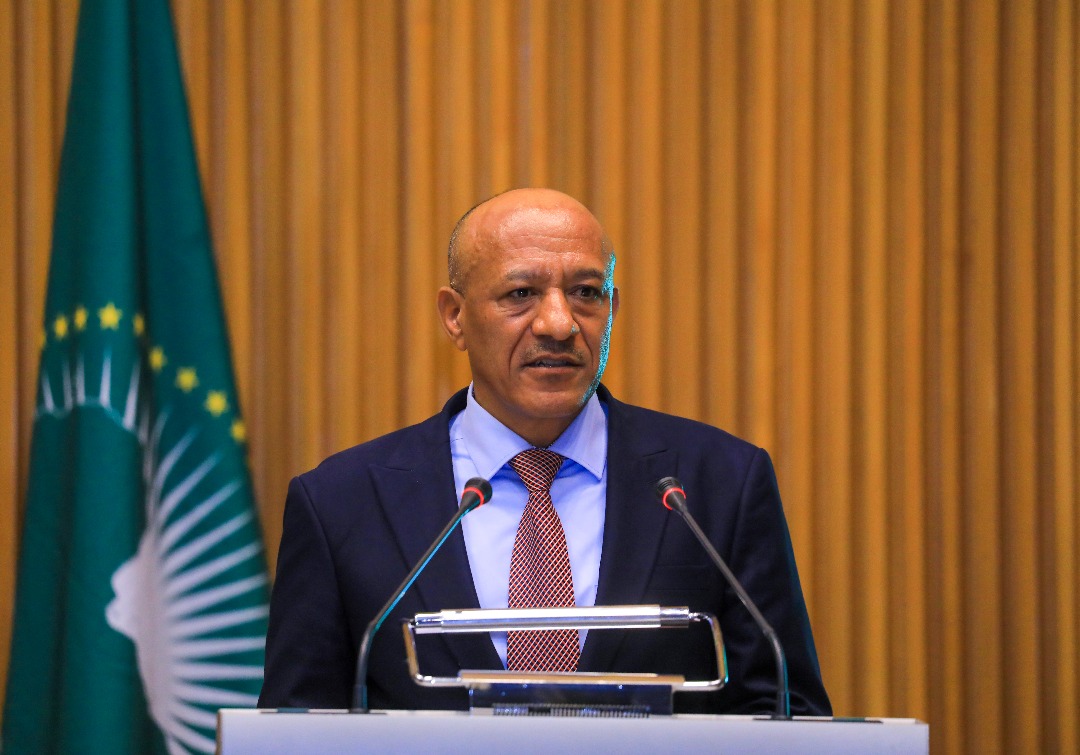
Addis Ababa, December 3, 2025—Ethiopia remains firmly committed to supporting the development of a strong, modern and integrated African statistical system that drives the continent’s development goals, Deputy Prime Minister Temesgen Tiruneh said.
The 19th Session of the Committee of Directors General of National Statistics Offices (CoDGs) is underway in Addis Ababa under the theme “Justice for Africans and People of African Descent through Reparations.”
In his keynote address, DPM Temesgen noted the critical role of reliable statistics in shaping Africa’s development.
“We meet at a time when the link between statistics and national development has never been clearer,” he said. “Governments need timely, trustworthy, and harmonized data to make strategic decisions, track progress in health and education, monitor public programs, guide investments, and ensure transparency. Statistics are the backbone of evidence-based planning and data-driven development.”
He emphasized that credible data enables member states to design national plans, manage public finances, address unemployment, respond to crises, and allows development partners and the private sector to better align their efforts and drive innovation.
DPM Temesgen also noted that Ethiopia’s 10-year development plan and economic reform agenda rely heavily on high-quality data.
The Ethiopian Statistical Service has modernized its operations, expanded digital data collection, strengthened administrative systems, and produced essential household and sectoral statistics to support national development strategies.
Strengthening statistical governance and institutional autonomy, ensuring sustainable financing, and deepening statistical integration and harmonization across the continent are the three key priorities, DPM Temesgen stated.
“Development is achieved through knowledge, analytical insight, and evidence. Reliable statistics give us the map, showing where we are, where we are going, and how to get there. Ethiopia is committed to advancing a strong, modern, and unified African statistical system,” he added.
Selma Malika Haddadi, Deputy Chairperson of the African Union Commission, commended member states for significant gains in statistical capacity over the past decade.
She underscored the importance of the Strategy for the Harmonization of Statistics in Africa (SHaSA II) in ensuring comparability, integration and alignment of national data systems with continental frameworks, including Agenda 2063.
Haddadi encouraged countries to sign and ratify the African Charter on Statistics, currently under revision to address emerging issues such as artificial intelligence, digital data governance and real-time data needs.
“The digital revolution offers great opportunities, but also responsibilities,” she said. “Our statistical systems must become smarter, more agile and more responsive.”
Nyakassi Sanyang, Statistician General of The Gambia and Chair of the Executive Committee, noted that demand for data in Africa is rapidly increasing as governments, researchers and development partners turn to evidence-based decision-making.
However, weak coordination in some countries continues to slow progress, Sanyang added.
He called on member states to strengthen cooperation under SHaSA II, designate national focal points to improve communication, and carefully examine whether merging population and agricultural censuses might undermine data quality.
Sanyang also urged training centers and universities to take a more active role in preparing the next generation of African statisticians.
Throughout the week-long session, delegates will discuss new statistical products and emerging priorities, including AI-powered data analysis, governance and security statistics, migration data, revenue statistics and labor mobility, areas increasingly shaping Africa’s evolving data landscape.


