Addis Ababa’s Transforming Healthcare - ENA English


Addis Ababa’s Transforming Healthcare
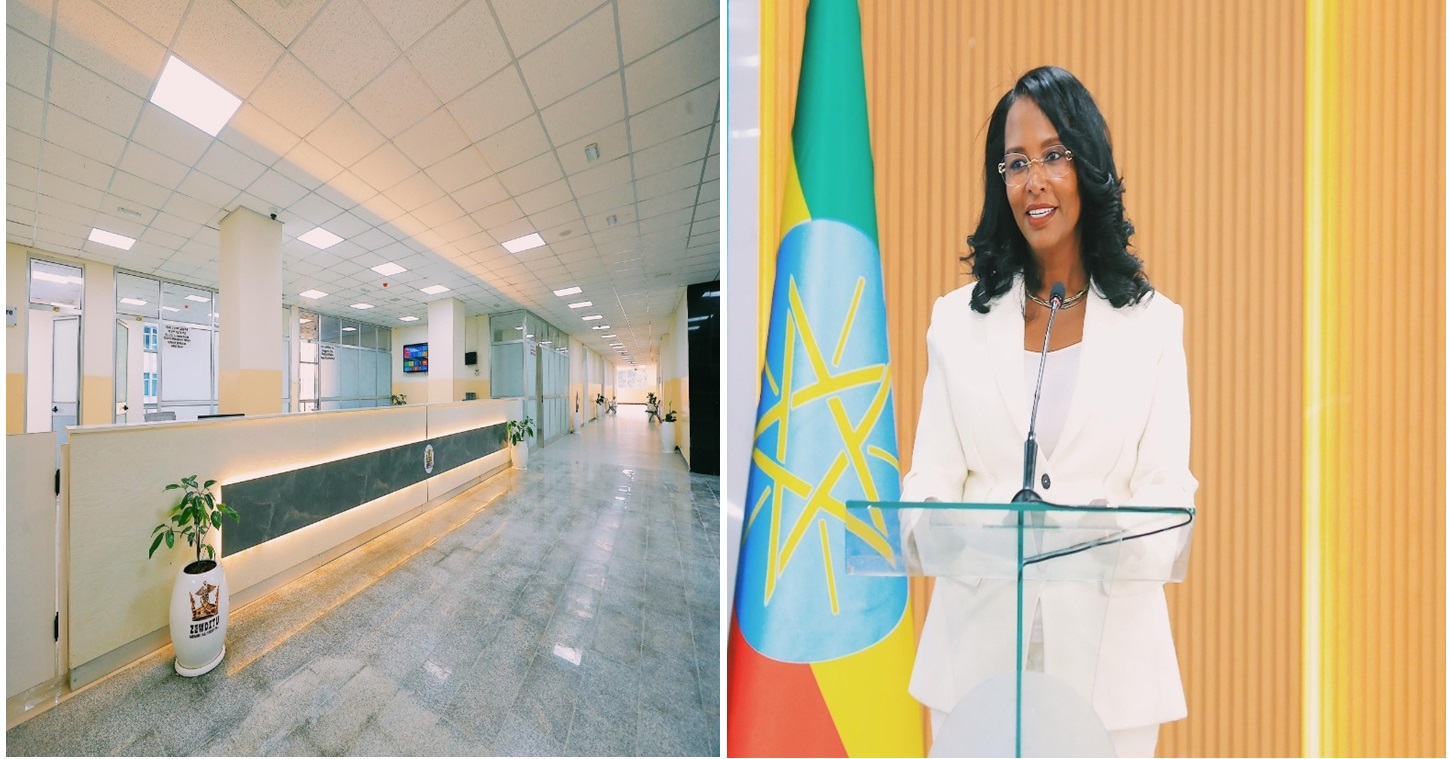
Op-ed By Ledet Muleta, BSN, MPH
Addis Ababa, December 2, 2025— Recently, Addis Ababa inaugurated a newly constructed building with 320 beds for inpatient care at Zewditu Memorial Hospital, one of the city's most historic medical institutions. But what stood out that day was not just the size of the building; it was the symbol it carried. For decades, Addis has suffered from limited health infrastructure, aging facilities, and chronic shortages. That morning, I felt we were witnessing the beginning of a new era in public health.
The hospital includes a newly established Oxygen Production Center, an achievement of tremendous significance. For years, oxygen supply shortages had threatened the lives of residents. Having worked in public health, including during the Ebola and COVID-19 crises, I know firsthand how oxygen shortages can determine life-or-death outcomes. Seeing an oxygen production center fully equipped not only to supply Zewditu Memorial Hospital but also to support surrounding hospitals felt like witnessing a critical lifeline finally being secured.
My journey in healthcare spans more than a decade, including a long tenure at the world-renowned National Institutes of Health (NIH), where I worked as a senior team member responding to critical public health challenges, advancing research, and supporting global emergency responses. Those years gave me a deep understanding of how strong public health systems are built and the responsibility governments carry to ensure their people have access to reliable infrastructure and quality care. Throughout my time at NIH, I often wished that Ethiopia, my birthplace, would one day give similar priority to building more hospitals, diagnostic centers, and research institutions.
Today, I can confidently say that progress is here.
Under the leadership of Addis Ababa City Mayor, Adanech Abiebie, healthcare has been given the urgency it has long deserved. The administration understands what many cities learned the hard way: that no society thrives without dependable medical services. For residents, it's dignity and a lifeline. For investors and diplomats, it's security. For our economy, it's the difference between retaining foreign currency or losing millions to medical tourism.
But the expansion at Zewditu is only the beginning: three more hospitals are now under construction, expected to add 1,500 new beds to the city’s healthcare system. Designed to modern standards—surgical suites, maternal and child health wings, diagnostic centers, and emergency units—they are addressing a crisis that has overwhelmed Addis Ababa’s facilities for decades. These investments mean shorter waiting times, reduced pressure on overburdened hospitals, and a healthcare system finally built to support a growing city.
Beyond the clinical benefits, the impact is deeply human: families will no longer be forced to leave their communities—or their country—in search of care that should be available at home. There will be fewer preventable deaths, less emotional strain of being away from loved ones, and a more secure, self-reliant Addis Ababa.
I have watched Addis Ababa prioritize public health not only through its infrastructure projects—riverside development, corridors, and parks—but also through long-overdue investments in hospitals and health professionals. Combined with education reforms and new incentives for the health workforce, the city is heading toward a true healthcare renaissance.
Having spent many years as a public health expert and witnessing firsthand what healthcare means to citizens, I feel privileged to serve in an administration that is building a healthier future for its people. The expansion of Zewditu and the construction of three additional hospitals are more than infrastructure; they are clear expressions of commitment, confidence, and care. Through decisive leadership, targeted investment, evidence-driven policy, and private-sector collaboration, Addis Ababa is charting a new path in urban health and is steadily moving toward the standards long achieved by developed cities.


