Digital Agriculture Key to Africa's Survival, Prosperity: AUC Deputy Chairperson - ENA English


Digital Agriculture Key to Africa's Survival, Prosperity: AUC Deputy Chairperson
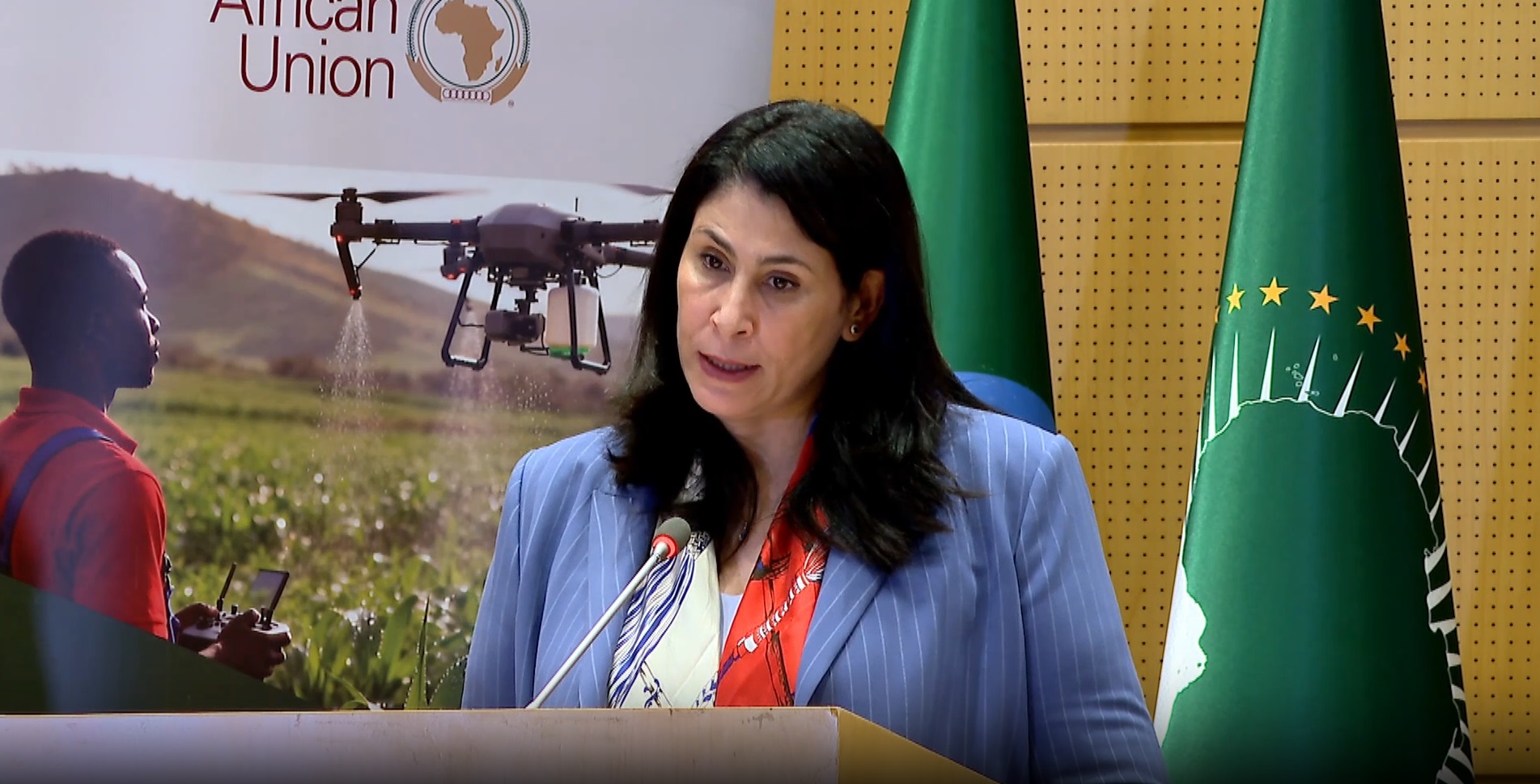
Addis Ababa, December 1, 2025 (ENA) — Digital agriculture is no longer optional but essential for Africa’s survival and prosperity, Deputy Chairperson of the African Union Commission (AUC) Ambassador Selma Malika Haddadi said.
Speaking at the inaugural Africa Digital Agriculture Conference, which is taking place in Addis Ababa at the headquarters of the African Union, Haddadi underscored the continent's commitment to leveraging technology for agricultural transformation and sustainable development.
The theme of the conference emphasized the importance of shaping agricultural policies that embrace future digital innovations, advocating for practices that support the transformation of agri-food systems across the continent.
“Agriculture is the lifeblood of our continent,” Haddadi said.
“It sustains over 60 percent of our population, significantly contributes to national economies, and remains central to Africa's development agenda,” she added
While addressing the conference, Ethiopian Agriculture State Minister Efa Muleta, on his part, noted that transforming agriculture strongly reflects the vision of Prime Minister Abiy Ahmed.
According to him, the Prime Minister constantly promotes agricultural transformation based on innovation, integration, and the Medemer philosophy, a philosophy rooted in shared responsibility and collective prosperity.
Efa also emphasized that digital innovation is crucial for inclusive growth in Africa's agricultural sector.
"Africa's challenges can also be its greatest opportunities," he said, referencing the continent’s youth bulge and the surge of technological innovations.
He emphasized the need for scaling digital solutions, including satellite-based analytics and mobile platforms, to enhance agricultural practices throughout the continent.
In this regard, Ethiopia has undergone transformative initiatives to transform the agriculture sector including strategic irrigation expansion, mechanization, and the adoption of climate-resilient crop varieties that efforts are yielding positive results and moving the country toward national self-sufficiency in food.
The state minister also mentioned the cluster farming model, which organizes smallholder farmers into production groups, enhances economies of scale and improves access to modern agricultural inputs and digital services, helping farmers transition from subsistence agriculture to competitive commercial endeavors.
He called for collaboration among governments, the private sector, and international partners to ensure broad access to digital resources.
On his part, AU Commissioner for Agricultural Development, Blue Economy, and Sustainable Environment, Moses Vilakati reiterated that many African nations face persistent challenges that hinder agricultural growth, including climate change, land degradation, limited access to markets, and a troubling trend of youth disengagement from the agricultural sector.
"We cannot afford to let our fertile lands go unutilized," Vilakati stated, elaborating that while some countries enjoy adequate rainfall, the potential for agricultural innovation remains largely untapped.
Underscoring the need for shifting towards digital agriculture, he asserted that digital agriculture is not merely an option but a necessity for boosting productivity, reducing losses, and enhancing access to finance and markets.
The commissioner urged Africa to actively participate in a world increasingly shaped by technological advancements, including artificial intelligence, satellite imaging, and precision farming.


