Ethiopia’s Health System Important Contribution to Continents’ Health Sovereignty: African Officials - ENA English


Ethiopia’s Health System Important Contribution to Continents’ Health Sovereignty: African Officials
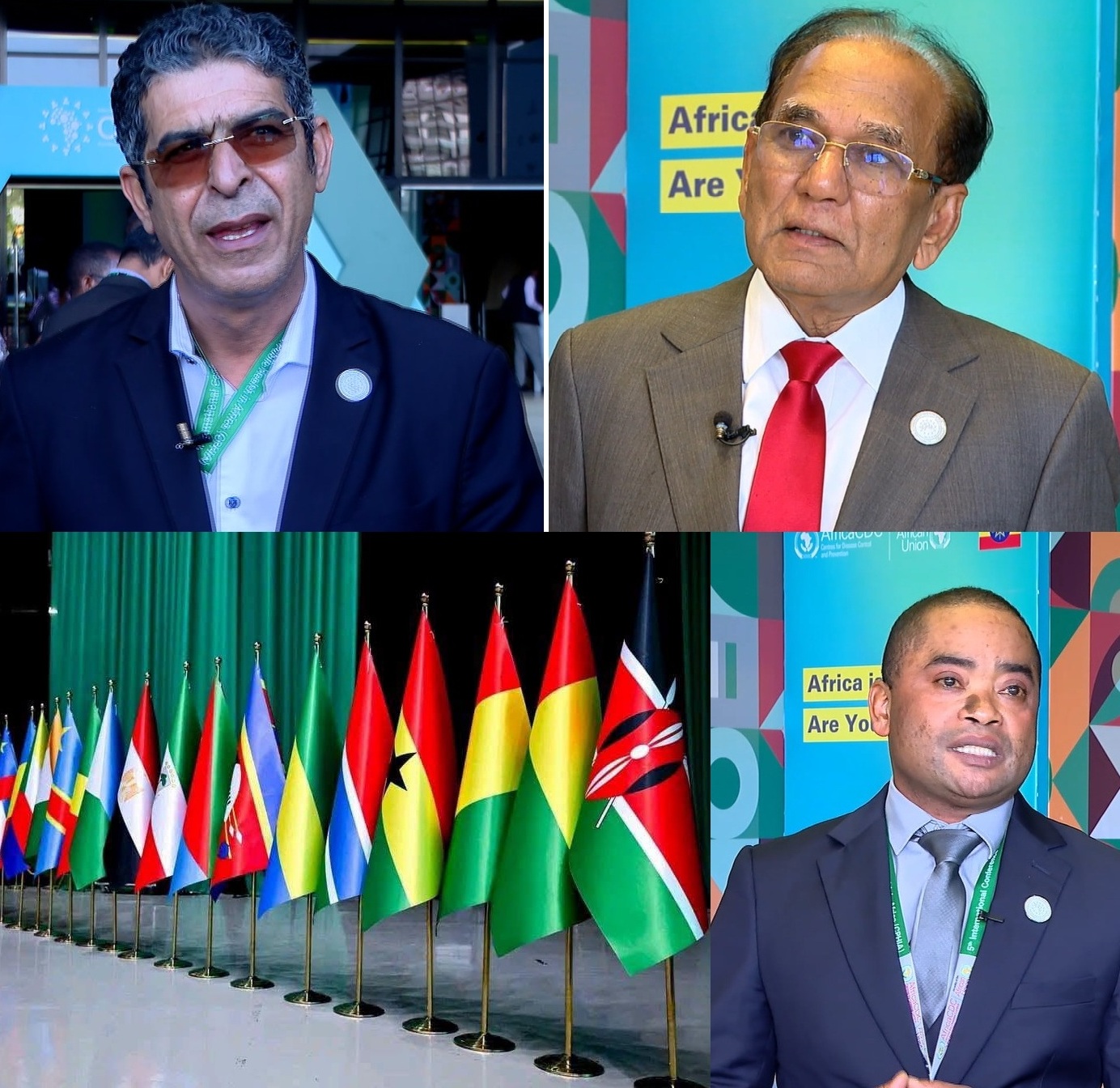
Addis Ababa, November 28, 2026 (ENA)— Mauritian Health and Wellness Minister Anil Kumar Bachoo, Madagascar’s Public Health Ministry Secretary-General Dr. Randrianambinina, and Libyan Health Deputy Minister Dr. Saeduldeen Saed have appreciated Ethiopia’s progress in strengthening its health system, describing the effort as an important contribution to Africa’s health sovereignty.
Speaking exclusively to ENA, Mauritian Health and Wellness Minister Anil Kumar Bachoo said Ethiopia’s achievements in the health sector are admirable.
He noted that Africa has the capacity to compete with other continents in the health sector in the coming years, adding that the continent could achieve rapid progress by overcoming dependency and strengthening ownership and transparency.
He stressed that African countries need to coordinate their domestic capacities and work collaboratively to build a self-reliant health sector.
Highlighting Mauritius’s commitment to healthcare, social security and education, the Minister said the government has established dedicated hospital units for diabetes prevention, alongside specialized centers providing cardiac, geriatric, emergency and stroke care.
Bachoo expressed admiration for the large turnout at the 5th International Conference on Public Health in Africa (CPHIA 2026) held in Addis Ababa, saying the conference had brought together participants from across Africa to deliberate on the continent’s health future.
The Minister finally commended the country's progress, noting that Ethiopia should continue developing its own approaches based on its unique national character.
For his part, Dr. Ephraïm Stéphanson Randrianambinina, Secretary-General of Madagascar’s Ministry of Public Health commended Ethiopia’s efforts to manufacture pharmaceuticals, laboratory supplies and medical equipment domestically.
He said the initiative contributes significantly to advancing Africa’s health sovereignty, expressing interest in cooperation between Madagascar and Ethiopia to exchange experience in technological advancement and medical equipment manufacturing.
The Secretary-General also described Ethiopia as an emerging example for African countries in health-system leadership, highlighting its commitment to strengthening domestic manufacturing capacity.
Similarly, Libya’s Deputy Health Minister Dr. Saeduldeen Saed has cited Ethiopia's public-health experience, emergency-response capacity, medical supply-chain opportunities, improved urban accessibility and renewable energy development as notable areas of progress.
He noted that Ethiopia, with a population of approximately 130 million, has also experience dealing with major public-health challenges, including tuberculosis, yellow fever and malaria.
Dr. Saed also identified Ethiopia's aviation infrastructure, particularly Ethiopian Airlines, as an important opportunity for strengthening medical supply chains and cold-chain distribution, which are essential to healthcare delivery.
The Libyan Deputy Health Minister linked the environmental and infrastructure developments in the capital city Addis Ababa with the broader health agenda, emphasizing the importance of addressing climate change and its effects on public health across Africa.
He said climate-related challenges, including drought and flooding, contributed to disease outbreaks on the continent, underscoring the need for African countries to strengthen cooperation through the One Health approach.
Dr. Saed stressed that health security was closely connected with food security, water availability and disease prevention, calling for coordinated action at national, regional and continental levels.
He further emphasized the importance of African countries building stronger health systems through local pharmaceutical manufacturing, primary healthcare development, digital transformation, improved health-data systems, cross-border disease control, migrant health services and vaccination.
The deputy Health minister described the African Centres for Disease Control and Prevention (Africa CDC) as an important continental institution providing a framework for harmonizing health systems and strengthening cooperation among member states.
He also called for greater African ownership of the continent's health agenda, arguing that African countries should take the lead in addressing their health challenges and shaping their healthcare future.
The deputy health minister expressed optimism about Ethiopia's future, citing the country's longstanding historical relations with Libya and the broader Arab region.


