Technology - ENA English
Live:


Technology
Prime Minister's Office Hosts Experience-Sharing Program on 5 Million Coders Initiative
Aug 10, 2026 34081
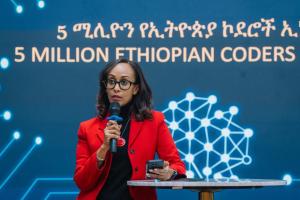
Addis Ababa, August 8, 2026 (ENA) — Following Prime Minister Abiy Ahmed’s national call for youth to join the 5 Million Ethiopian Coders Initiative and expand its reach to 7 million by the end of the rainy season, the Office of the Prime Minister hosted a dedicated experience-sharing program in Addis Ababa. According to a social media post by the Office of the Prime Minister, the event brought together certified graduates, industry leaders, policymakers, and young professionals to share insights and advance the Digital Ethiopia 2030 agenda through practical digital skills development. The program opened with a tour of an Artificial Intelligence exhibition, followed by a keynote address from Billene Seyoum, Head of the Press Secretariat at the Office of the Prime Minister. Billene framed youth technical capability as a vital national asset and reaffirmed the target to reach 7 million coders this summer. The panel featured Abiyot Bayou, Senior Advisor to the Minister of Innovation and Technology; Bethlehem Dessie, CEO of gheero; and Initiative alumni Azimeraw Taddese and Mahlet Seyoum, a tech entrepreneur. The panelists encouraged participants to continuously hone their skills, build practical solutions, and drive innovation within Ethiopia’s digital ecosystem. The event concluded with an interactive networking session where young participants engaged the panelists with insightful questions, highlighting the initiative’s role as a catalyst for developing digital talent and driving national transformation.
New Cybersecurity Proclamation Strengthens Protection of Ethiopia’s Strategic Digital Infrastructure: INSA
Aug 7, 2026 39048
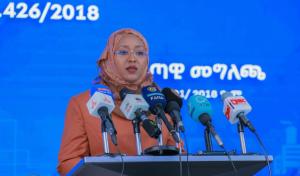
Addis Ababa, August 7, 2026 (ENA) — Ethiopia’s new Critical Infrastructure Cybersecurity Proclamation introduces a comprehensive legal framework to protect strategic national infrastructure from rising cyber threats, Information Network Security Administration (INSA) Director General Tigist Hamid said. Briefing the media today, the director general said the Critical Infrastructure Cybersecurity Proclamation No. 1426/2026 marks a strategic milestone in strengthening the security of Ethiopia’s digital landscape, protecting national interests, and providing a solid cybersecurity foundation for the country’s ongoing digital transformation. The proclamation comes at a time when Ethiopia is expanding digital public services, including digital identity, electronic payment systems, and electronic procurement platforms, all of which manage vast volumes of strategic data, she noted. Protecting these systems through a robust cybersecurity framework is therefore essential to safeguarding citizen information, ensuring service continuity, and advancing the country’s digital transformation agenda, she added. The director general further said the proclamation was necessitated by the growing frequency and sophistication of cyberattacks targeting critical infrastructure, as well as the absence of a comprehensive legal framework to guide institutions in preventing, responding to, and recovering from cyber incidents. She explained that the new law establishes the regulatory foundation for cybersecurity monitoring and coordinated incident response, while identifying 12 critical infrastructure sectors that require enhanced protection based on national strategic priorities. The 12 major critical infrastructure sectors are information and communication technology (ICT), financial services, security and public safety, transportation, education, health, water and energy, government services, emergency and disaster response services, agriculture, trade and commerce, and industry. Under the proclamation, owners and operators of critical infrastructure are required to fulfill 18 core cybersecurity obligations, including conducting regular risk assessments, implementing cyber audit systems, and strengthening institutional security governance. The law also establishes a Critical Infrastructure Cybersecurity Fund to support sustainable cybersecurity protection, research, innovation, and human capacity development, which the director general said will significantly enhance the country’s cyber resilience. To facilitate implementation, INSA will develop sector-specific standards and operational guidelines, provide technical support to institutions, establish modern regulatory and compliance mechanisms, strengthen the professional cybersecurity workforce, and conduct nationwide public awareness campaigns. Institutions responsible for critical infrastructure are expected to use the transition period to prepare their technology, operational procedures, and organizational systems for full compliance. The preparations include deploying qualified cybersecurity professionals with the required security clearance, acquiring modern security technologies, strengthening database protection, and addressing system vulnerabilities in a timely manner. During the transition period, INSA will finalize implementation guidelines, provide technical assistance, and work closely with institutions to ensure effective enforcement of the proclamation, the director general stated. She also underscored the role of the media in promoting cybersecurity awareness, describing cybersecurity as an issue of national survival. Recently, the House of People’s Representatives unanimously ratified the Draft Proclamation on the Cybersecurity of Critical Infrastructure, aimed at strengthening the protection of critical infrastructures.

Ethiopia Keen to Share Digital Transformation Expertise Across Africa
Aug 7, 2026 34655
Addis Ababa, August 7, 2026 (ENA) — Ethiopia has expressed its readiness to share its digital transformation experience and expertise with sister African countries, the Ministry of Innovation and Technology said. Minister of Innovation and Technology Belete Molla made the remarks while hosting a high-level delegation from Benin led by Minister of Digital Transformation and Innovation Mahuna Akplogan. The discussions focused on Ethiopia’s major achievements and lessons learned in developing its digital ecosystem and advancing technology-driven development. Belete briefed the visiting delegation on key breakthroughs achieved under the “Digital Ethiopia 2025” strategy and outlined progress toward the development and implementation of the “Digital Ethiopia 2030” vision. Highlighting Ethiopia’s growing institutional capacity in the digital sector, the minister reaffirmed the country’s readiness to partner with African nations to promote technology-driven growth and digital transformation across the continent. For his part, Akplogan expressed Benin’s keen interest in learning from Ethiopia’s digital transformation experience and strengthening bilateral cooperation between the two countries. The two sides agreed to identify priority areas for cooperation and work toward signing a formal agreement aimed at promoting joint technological development and knowledge sharing. The engagement is expected to contribute to stronger intra-African cooperation in the digital sector and support efforts to build a more integrated African digital economy through peer learning, technology cooperation and enhanced cross-border connectivity.
Conference Connecting African Youth Innovators with Investors Underway in Addis Ababa
Aug 7, 2026 33540
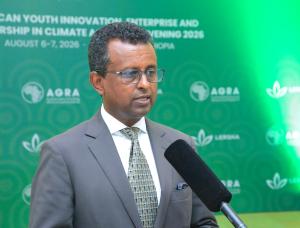
Addis Ababa, August 6, 2026 (ENA) — A conference, which aims at connecting African youth innovators driving climate action with investors, is underway in Addis Ababa. Speaking at the African Youth Innovation, Enterprise and Leadership in Climate Action conference today, Alliance for a Green Revolution in Africa (AGRA) Country Director for Ethiopia, Yihenew Zewdie, said the conference is a declaration of confidence in Africa’s young people towards innovation for climate action. According to him, African youths are developing climate-smart technologies that help farmers adapt to changing weather patterns, building digital platforms that connect producers to markets, finance, and knowledge. The youths are establishing businesses that create jobs, improve productivity, and strengthen rural economies, he added. Chair of African Group of Negotiators (AGN) for Climate change, Nana Amoah, said Africa's greatest asset is not in its natural resource, but its young people, whose innovation, entrepreneurship, and leadership are already transforming the food systems and strengthening resilience across the continent. The challenge before us is no longer to prove that youth-led solutions work, but to create the enabling environment that allows these solutions to scale across our countries and communities within the continent, he noted. "Our responsibility is to remove the barriers that prevent these innovations from reaching millions of farmers through stronger, better policies and increased access to finance, technology and capacity." As climate impacts continue to affect agriculture, livelihoods, and food security, climate adaptation is no longer an option. It is an investment factor in Africa's future, Amoah underscored. The founder and CEO of Lersha, Abrhame Endrias, said even if there are several innovative youths across Africa with innovations that boost production and solve challenges, their innovations have been outdated due to a lack of connection between them and pertinent bodies, including investors. He added that such a continent-wide conference would create an enabling platform to create connections between innovators, financial institutions, and governmental institutions. The two-day conference under the theme: "Scaling Youth-Led Solutions for Resilient Food Systems, Climate Action, and Green Prosperity in Africa" drew participants, including innovators, researchers, and negotiators, from twenty African countries.
.jpg)
Ethiopia’s Digital Transformation Serves as Model for African Countries, Says Benin Minister
Aug 5, 2026 37599
Addis Ababa, August 5, 2026 (ENA) —Ethiopia’s digital transformation is an exemplary model that other African countries can learn from, Benin’s Minister of Digital Transformation and Innovation, Mahuna Akplogan revealed. Akplogan, who led a Beninese delegation, made the remarks after visiting the Modern Ethiopian Service for Organized Benefits (MESOB) and National ID service centers. According to the minister, the visit is part of the growing cooperation between Ethiopia and Benin in technology and digital innovation. It focused on sharing experiences and strengthening institutional partnerships on the development, expansion and accessibility of digital public services for citizens and businesses, he added. Speaking to journalists, the minister described Ethiopia’s digital transformation efforts as a “textbook case” for Africa. He further elaborated that Benin is interested in learning from Ethiopia’s experience and adopting best practices in digital service delivery. “Ethiopia has recently demonstrated that the country has been able to be very effective in digital transformation and in innovating the services offered to citizens,” he said. The minister also said Ethiopia’s Digital Ethiopia 2025 strategy provided a strong foundation for the country’s digital advancement, paving the way for Digital Ethiopia 2030, which sets more ambitious objectives. He also added that Benin aims to understand Ethiopia’s approach to digital transformation while exploring areas of cooperation between the two countries. “The two countries are entering a phase of learning from one another and exploring broader areas of cooperation,” Akplogan noted. MESOB Service CEO Yonas Alemayehu on his part said that the visit provided an opportunity to share Ethiopia’s experience in building an integrated digital government service platform. MESOB has evolved within a year from a one-stop service center into a unified digital platform and is preparing to launch a self-service smart MESOB system, he emphasized. Yonas said the Beninese delegation showed particular interest in MESOB’s institutional integration model, which they identified as a possible approach to addressing similar challenges in their own digital service systems. Meanwhile, Ethiopia’s National ID Executive Director Yodahe Zemichael also noted that the delegation learned about Ethiopia’s experience in building domestic technological capacity for digital identity services. According to him, the initiative aligns with the African Union’s vision of facilitating the movement of people across the continent and supporting trade and economic integration. Yodahe added that discussions were held on possible future cooperation between Ethiopia and Benin in digital identity and other technology-driven projects. The visit underscored the growing partnership between the two countries and highlighted opportunities for collaboration in digital transformation, innovation, technology development and knowledge exchange.
Benin’s Digital Transformation and Innovation Minister Visits Ethiopia’s MESOB Service
Aug 5, 2026 33622
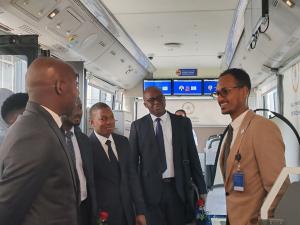
Addis Ababa, August 5, 2026 (ENA) — Benin’s delegation, led by the Minister of Digital Transformation and Innovation, Mahuna Akplogan, visited Ethiopia’s Modern Service for Organized Benefits (MESOB) today. The delegation toured MESOB’s operations as part of the two countries’ growing collaboration in the technology and digital innovation space. The visit focused on strengthening institutional linkages and exchanging practical knowledge on how digital services can be organized, scaled, and made more accessible to citizens and businesses. MESOB is a modern one-stop-shop platform designed to simplify how citizens access essential government services. By bringing services from multiple federal agencies together under one digital and physical center, MESOB ensures faster, more convenient, and more reliable public service delivery.
FaydaVerse Ushers in New Era of Ethiopia’s Digital Sovereignty and Inclusive Growth, Says Deputy PM
Aug 4, 2026 39553
Addis Ababa, August 4, 2026 (ENA) —Deputy Prime Minister Temesgen Tiruneh underscored that the launch of FaydaVerse represents a defining milestone in Ethiopia’s digital transformation journey, opening a new chapter toward digital sovereignty, innovation, and shared prosperity. The official launch of FaydaVerse marks the evolution of Ethiopia’s National Digital ID ecosystem into a broader digital infrastructure platform designed to accelerate economic inclusion, improve public service delivery, and strengthen the country’s digital economy. Over recent years, the National Digital ID Program has emerged as one of Ethiopia’s most transformative national initiatives. Nearly 50 million citizens have been registered, while more than 160 million identity verification services have been provided, enabling millions of Ethiopians to access financial services, government institutions, and digital platforms more efficiently. Built on trust, security, and inclusion, Fayda has become a critical foundation for Ethiopia’s digital economy, it was learned. With the establishment of FaydaVerse as an independent government development enterprise under Ethiopian Investment Holdings, the initiative enters a new phase with a stronger institutional framework and an expanded vision for the future. Highlighting the significance of the development on social post, Deputy Prime Minister Temesgen said digital identity has become more than a technological advancement in the 21st century. it is a vital national infrastructure comparable to roads, electricity, and telecommunications, serving as a backbone for economic competitiveness, innovation, and sustainable development, the Deputy PM noted. “Digital identity is not merely a technological innovation; it is essential national infrastructure,” he emphasized, noting its role in building a more connected, productive, and inclusive society. Aligned with the Digital Ethiopia 2030 strategy, FaydaVerse also reflects Ethiopia’s ambition to share its digital experience and capabilities with neighboring countries and the wider African continent, contributing to Africa’s vision of a connected and digitally empowered future. The initiative places people at the center of digital transformation, focusing not only on technology but also on expanding opportunities, strengthening trust, protecting data privacy, and ensuring that citizens can confidently participate in the digital age. As Ethiopia advances its digital transformation agenda, FaydaVerse stands as a symbol of the country’s commitment to building a modern, inclusive, and innovation-driven economy — positioning Ethiopia as a growing force in Africa’s digital future.
Ethiopia Strengthens Regulatory, Legal Framework for Nuclear Energy Utilization
Aug 4, 2026 39437
Addis Ababa, August 4, 2026 (ENA) — Ethiopia is strengthening its regulatory and legal framework in line with its strategic plan to harness nuclear energy for power generation. The Ethiopian Technology Authority announced that the nation is reinforcing its legal and regulatory structures to meet international standards as part of its plan to generate electricity from nuclear power. The Authority has convened a stakeholder consultation forum with government agencies, professional associations, and key partners to review draft regulatory rules governing nuclear installations. Speaking at the forum, the Authority’s Director-General, Solomon Getachew, stated that extensive work has been undertaken to bolster oversight capabilities since Ethiopia formally notified the International Atomic Energy Agency (IAEA) of its intent to utilize peaceful nuclear technology for power generation. The Director-General explained that human resource development, legal drafting, licensing protocols, inspection procedures, and enforcement mechanisms are being developed strictly in line with global standards. He noted that the finalized draft regulations explicitly integrate site selection criteria, environmental and public safety safeguards, natural and man-made hazard mitigation measures, and comprehensive emergency response protocols. The Authority is actively partnering on capacity building and technical cooperation with international institutions, including the United States Nuclear Regulatory Commission (NRC) and Russia’s Federal Environmental, Industrial and Nuclear Supervision Service (Rostechnadzor). Feedback gathered from stakeholders during the consultations will refine the draft regulations ahead of formal ratification, according to the Director-General.

New Central Lab Pivotal to Boost Ethiopia's Defense Capabilities, Says Minister Aisha
Jul 26, 2026 43206
Addis Ababa, July 26, 2026 (ENA) —The newly inaugurated Advanced Central Laboratory at the Ethiopian Defense University will significantly bolster Ethiopia’s national defense capabilities through scientific research, technological innovation, and specialized training, Defense Minister Aisha Mohammed, said. The Ethiopian Defense University officially opened the state-of-the-art facility today. Speaking at the inauguration ceremony, Minister Aisha described the laboratory as a major milestone in enhancing education, specialized training, innovation, and scientific research within Ethiopia's defense sector. She emphasized that the facility will strengthen national defense capabilities through advanced technology and specialized expertise, while simultaneously expanding the nation's broader educational and institutional capacity. "The Advanced Central Laboratory represents the beginning of a monumental chapter that will turn knowledge into professional competence, research into innovation, and innovation into practical solutions that serve the nation," the minister said. According to Aisha, the laboratory will support expert-led research aligned with Ethiopia's long-term strategic interests. "The laboratory is a practical research initiative designed to transform knowledge into operational strength and nation-building outcomes," she said, noting that the facility will elevate the university's research capacity and provide a modern scientific foundation for national security. The minister also highlighted that the project reflects the enduring friendship, mutual trust, and strategic partnership between Ethiopia and the United Arab Emirates. "The cooperation between Ethiopia and the United Arab Emirates (UAE) has entered a new stage focused on national security, technological transformation, and institutional modernization," Aisha said, expressing confidence that the facility will serve as a symbol of bilateral cooperation while contributing to regional peace and defense capabilities. Ethiopian Defense University President Brigadier General Kebede Regassa echoed these sentiments, calling the Advanced Central Laboratory a national strategic asset that will enhance Ethiopia's capacity to respond to rapidly evolving security challenges. More than just a physical facility, he described the laboratory as a symbol of the enduring partnership between Ethiopia and the United Arab Emirates. He highlighted that the center integrates world-class capabilities across multiple disciplines, including artificial intelligence, cybersecurity, communication engineering, automation and control systems, power engineering, adaptive prototyping and nursing simulation. "The success of the center will be measured not only by its equipment, but by the professionals it trains, the research it produces, the innovations it generates, the technologies it transfers, and the impact it delivers to Ethiopia's defense sector, industry, and society," the president said. According to him, the center will foster cross-sector collaboration among academia, industry, government, and international partners, promoting locally developed technologies that drive industrial growth, reduce foreign dependence, and build sustainable national value. On behalf of UAE Defense Attache, Advanced Central Labratory Project Manager and Technical Team Leader, Colonel Khalid Alzarooni also praised the initiative. He described the project as an iconic milestone in bilateral relations that marks the beginning of deeper collaboration in technology and innovation. Alzarooni further reaffirmed the United Arab Emirates' commitment to its long-standing partnership with Ethiopia, noting that the laboratory will accelerate technology implementation and bolster the country's scientific and technological capacity. Solar panels installed across multiple sections of the facility generate clean energy and operate in integration with conventional power sources to help ensure stable and uninterrupted operations. Solar inverters and battery-storage systems enable energy to be stored and used when required, helping minimize disruptions to research, training and laboratory activities. The facility also includes a solar water-heating system, further strengthening its energy efficiency and sustainability. The integrated solar infrastructure is expected to reduce energy costs, limit pollution through the use of clean energy and help mitigate the impact of power interruptions on laboratory operations. Beyond education and research, the Ethiopian Defence University plans to utilize the laboratory to provide specialized consultancy services in areas including cybersecurity, power infrastructure and logistics engineering. The facility will also support advanced vocational training, technical mentorship and professional workshops, while creating platforms for knowledge exchange and stronger collaboration among academia, industry and the wider community. The inauguration marks a significant step in Ethiopia’s efforts to strengthen its scientific and technological capabilities and develop a highly skilled workforce equipped to respond to the increasingly complex security, industrial and technological challenges of the 21st century.

Ethiopia Opens Advanced Defence Laboratory to Drive AI, Cybersecurity and Strategic Innovation
Jul 26, 2026 33571
Addis Ababa, July 26, 2026 (ENA) —The Ethiopian Defence University has inaugurated a state-of-the-art Advanced Central Laboratory. The facility is expected to position Ethiopia as a national hub for cutting-edge research, specialized training, technological innovation and strategic scientific development. Defence Minister Aisha Mohammed, senior government officials, diplomats and invited guests attended the inauguration ceremony. Constructed on a 20,850-square-metre site with support from the Government of the United Arab Emirates (UAE) under the Ethiopia–UAE bilateral development partnership, the facility is designed to bridge academic knowledge with practical applications in addressing emerging national security, technological and industrial challenges. The Advanced Central Laboratory features specialized facilities dedicated to cybersecurity, artificial intelligence, electrical power systems, automation, communications, 3D printing and CNC machining, prototyping, as well as nursing education and training. Moreover, the facility is envisioned as a national center of excellence capable of strengthening Ethiopia’s capacity in advanced science and technology. It would also link higher education, national security priorities, industry and broader national development objectives. A key feature of the laboratory is its integrated renewable-energy infrastructure. A solar power system has been installed to support the facility’s high energy requirements and contribute to meeting the Ethiopian Defence University’s electricity needs for up to eight hours a day. Solar panels installed across multiple sections of the facility generate clean energy and operate in integration with conventional power sources to help ensure stable and uninterrupted operations. Solar inverters and battery-storage systems enable energy to be stored and used when required, helping minimize disruptions to research, training and laboratory activities. The facility also includes a solar water-heating system, further strengthening its energy efficiency and sustainability. The integrated solar infrastructure is expected to reduce energy costs, limit pollution through the use of clean energy and help mitigate the impact of power interruptions on laboratory operations. Beyond education and research, the Ethiopian Defence University plans to utilize the laboratory to provide specialized consultancy services in areas including cybersecurity, power infrastructure and logistics engineering. The facility will also support advanced vocational training, technical mentorship and professional workshops, while creating platforms for knowledge exchange and stronger collaboration among academia, industry and the wider community. The inauguration marks a significant step in Ethiopia’s efforts to strengthen its scientific and technological capabilities and develop a highly skilled workforce equipped to respond to the increasingly complex security, industrial and technological challenges of the 21st century.
.jpg)
Ethiopia Prepares for the Future with AI-Skilled Workforce, Says Deputy PM
Jul 25, 2026 38660
Addis Ababa, July 25, 2026 (ENA) —Ethiopia is developing a skilled workforce in artificial intelligence (AI) to safeguard its national interest and prepare for the future, Deputy Prime Minister Temesgen Tiruneh said. Speaking at the graduation ceremony of AI startups trained over the past six months by the Ethiopian Artificial Intelligence Institute, he noted that artificial intelligence is shaping and determining the course of tomorrow's world. The Deputy Prime Minister stated that Ethiopia is investing in developing and empowering the next generation in the AI sector so that the country can harness the opportunities presented by the technology for national benefits and compete effectively in the future global landscape. The first cohort of AI startup trainees graduating from the Ethiopian Artificial Intelligence Institute is a clear demonstration of the country's commitment to building AI capacity, he added. DPM Temesgen urged the graduates to use the knowledge they acquired during the training to further develop innovations and provide practical solutions that benefit the country. He also called on both government and non-government institutions to emulate the institute's exemplary work. He affirmed the government's commitment to strengthening efforts to ensure that Ethiopia's startup ecosystem benefits not only the country but also young people across Africa. For his part, Ethiopian Artificial Intelligence Institute Director-General, Worku Gachena, said Ethiopia is implementing Africa's first Artificial Intelligence Policy and Strategy. According to him, the policy has enabled the country to produce skilled digital professionals and develop innovative technologies that address real-world challenges. AI technologies are being widely deployed in the justice sector, government service delivery, public administration, healthcare, and other public services, he stated. The Director-General attributed the institute's achievements to sustained human capital development initiatives being carried out through startup incubation programs, summer camps, schools, and higher education institutions. At the exhibition organized alongside the graduation ceremony, the trainees showcased AI-powered solutions they developed in the fields of healthcare, education, transportation, language technology, smart cities, finance, and human development.

ICT Firm Leaders Hail Ethiopia's AI University as Catalyst for Africa's Digital Future
Jul 25, 2026 33326
Addis Ababa, July 25, 2026 (ENA) —Information and Communication Technology (ICT) firm leaders from Ghana, Egypt, and Zimbabwe have hailed Ethiopia's establishment of its first Artificial Intelligence University (AIU) as a landmark initiative, describing it as a catalyst for Africa's digital transformation and future technological advancement. In an exclusive interview with ENA, they described the initiative as a transformative step toward strengthening Africa's AI capabilities, promoting data sovereignty, and accelerating homegrown innovation across the continent. Founder and Chief Executive Officer of FloodGates International and creator of Trustur AI, Oswald Wedam Anonadaga, said the initiative positions Ethiopia to shape its own digital future by developing AI solutions tailored to the country's priorities and development needs. "I think establishing an AI university, especially one that focuses on the Ethiopian context and creates solutions for the Ethiopian economy, is one of the best initiatives," he said. According to Anonadaga, the university should evolve beyond a conventional academic institution and become a strategic hub for AI research, innovation, entrepreneurship, and talent development capable of supporting both the public and private sectors. He emphasized that grounding AI education and research in local realities would enable Ethiopia to develop technologies that address the country's unique social, economic, cultural, and linguistic challenges while reducing reliance on imported technologies. Anonadaga also encouraged other African countries to establish similar institutions that can "train people, build solutions and adapt AI locally for our countries." He noted that locally driven AI education would allow African nations to define their own technological priorities, protect their data, strengthen digital sovereignty, and build globally competitive technology companies. Highlighting the broader economic benefits of AI skills development, he said expanding the pool of AI professionals would stimulate research, entrepreneurship, innovation, and the growth of vibrant digital ecosystems across Africa. Drawing inspiration from Ghana's One Million Coders initiative, Anonadaga suggested Ethiopia could launch an ambitious national program to train one million AI specialists. "If you are designing a solution, especially in Ethiopia, one of the things to look at is how we make this AI first," he said, proposing a vision of producing "one million AI coders." Co-founder of Deaf Gain, Alshimaa Elbahrawy, on her part emphasized that the planned university presents an important opportunity to make AI education more inclusive by ensuring that persons with disabilities have equal access to learning, research, and innovation. She called for dedicated programs that empower people with disabilities and stressed the crucial role educators and institutions play in expanding access to AI knowledge. "We need to make a different collaboration," she said, adding that Africa should demonstrate to the world that it can build good partnership and good collaboration." Elbahrawy emphasized that inclusivity should be embedded in the design of AI education so that technological progress benefits every segment of society and no one is left behind in the digital transformation. Similarly, Executive Director of Accountability Lab East and Southern Africa, McDonald Lewanika, underscored the importance of data sovereignty as African countries expand their AI ambitions. "Data sovereignty is an important one. Now data itself is the new oil," he said. Lewanika argued that African countries must take greater ownership of their data by investing in secure digital infrastructure, including data centers, strengthening governance and regulatory frameworks, and developing specialized AI expertise to ensure Africans derive maximum value from the data they generate. The experts agreed that Ethiopia's proposed AI University represents far more than the establishment of a new higher education institution. They said it is a strategic investment that could strengthen Africa's technological independence, advance data sovereignty, nurture a new generation of AI professionals, and position Ethiopia as a leading continental hub for artificial intelligence research, innovation, and digital transformation.

Ethio Telecom Registers 69 Percent of Ethiopia’s National Digital ID Enrollees
Jul 24, 2026 25664
Addis Ababa, July 24, 2026 (ENA) — Ethio Telecom announced in its 2025/26 Annual Business Performance Report that it has registered nearly 32 million citizens for Ethiopia’s National Digital ID program, Fayda. Since joining the initiative in April 2024, the telecom operator has accounted for 69 percent of total registrations nationwide. By leveraging its extensive infrastructure and service network, Ethio Telecom has emerged as a key registration partner in expanding access to digital identity services across the country. The telecom operator has emerged as a major registration partner in the implementation of Ethiopia’s National Digital ID programme, known as Fayda, leveraging its nationwide infrastructure and service network to expand access to digital identity services. During the 2025/26 Ethiopian fiscal year, it registered 20.19 million citizens and generated 17.17 million Foundational Identification Numbers (FINs), the unique identifiers issued under the digital identity system. According to the report, this brought the total number of FINs generated through the company’s participation to 27.1 million. Ethio Telecom has expanded registration services across all regional states and the two city administrations, reaching 119 zones, more than 980 woredas, and over 1,300 urban centers. The company further noted that the registration drive has prioritized digital inclusion by reaching various segments of society. In partnership with the Ministry of Agriculture, more than four million farmers have been registered under the programme, the report revealed. Through collaborations with the United Nations High Commissioner for Refugees (UNHCR) and the Norwegian Refugee Council (NRC), Ethio Telecom has also registered more than 28,000 internally displaced persons to help them access identity services. The initiative has additionally covered beneficiaries of the Productive Safety Net Programme (PSNP), students, returnees, and other priority groups as part of efforts to expand participation in Ethiopia’s digital identity ecosystem. Ethio Telecom also reported that a total of 9.35 million cards have been printed from about 9.4 million orders, representing a fulfillment rate of nearly 99 percent. Of these, 7.45 million cards were produced during the 2025/26 fiscal year alone. The programme has also created employment opportunities for more than 4,000 people through registration and card distribution activities, while providing business opportunities for franchise partners involved in service delivery. Ethiopia’s National Digital ID programme, Fayda, is designed to provide residents with secure foundational identity credentials and facilitate access to digital services. The system is expected to enhance public service delivery, promote financial inclusion, and support the development of the country’s digital public infrastructure. Ethio Telecom’s growing role in the initiative comes as Ethiopia accelerates efforts to build an inclusive digital economy by expanding access to secure and reliable digital identity services nationwide.

Building Advanced Technology, Digital Infrastructure to Enhance MESOB One-Stop Service
Jul 24, 2026 19194
Addis Ababa, July 24, 2026 (ENA) — Building advanced technology and digital infrastructure, strengthening institutional capacity, and delivering citizen-centric public services will be key priorities to enhance Ethiopia’s MESOB One Stop Service over the next three years. The institution today launched a three-year strategic plan and roadmap aimed at transforming government services into accessible, efficient, technology-enabled, and citizen-centric services through the nationwide MESOB One Stop Service platform. The strategic plan seeks to accelerate digital transformation by expanding integrated public services, enhancing institutional readiness, and improving service delivery to provide faster, more efficient, and seamless access to government services across the country. Prepared in line with the Digital Ethiopia 2030 strategy, the roadmap outlines key strategic directions to improve the accessibility, quality, and efficiency of public services while accelerating digital transformation across government institutions. Launching the roadmap, MESOB One Stop Service Chief Executive Officer Yonas Alemayehu said the document provides a clear strategic direction for the institution's service delivery system over the next three years. "The roadmap clearly outlines the type of service delivery system MESOB should establish over the next three years," he said. According to Yonas, the strategic plan was developed based on an assessment of the institution's performance over the past year and will guide future efforts in digital transformation, service quality improvement, and institutional capacity building. He added that the plan was prepared in alignment with the Digital Ethiopia 2030 vision, civil service reform directives, and the country's broader digital development goals. Presenting the roadmap, Planning and Program Director Desalegn Dingeta said it is built around three strategic pillars. The first pillar focuses on strengthening institutional capacity and readiness by enhancing implementation capability, establishing a modern performance management system, improving workforce competence, and fostering an effective organizational culture. The second pillar aims to deliver superior citizen-centric services by expanding equitable and digital access to government services, increasing the use of digital platforms, strengthening call center operations, and establishing robust customer satisfaction systems. The third pillar prioritizes the development of advanced technology and digital infrastructure, with particular emphasis on strengthening cybersecurity and building modern digital service platforms. Desalegn also noted that the roadmap was prepared based on Ethiopia's Ten-Year Development Plan, the Homegrown Economic Reform Agenda, the Government Service and Administration Policy, and the Digital Ethiopia 2030 strategy. Launched in the presence of senior government officials and heads of regional MESOB One Stop Service centers, the roadmap is expected to play a significant role in transforming government service delivery into a fully technology-enabled, efficient, and citizen-centric system.

Tony Blair Backs AI-Driven Public Service Reform During Visit to Ethiopia’s AI Institute
Jul 23, 2026 20577
Addis Ababa, July 23, 2026 (ENA) —Former British Prime Minister and Tony Blair Institute for Global Change Founder and Chairman Sir Tony Blair has visited the Ethiopian Artificial Intelligence Institute (EAII), highlighting the growing role of artificial intelligence in transforming government services and strengthening digital governance. During discussions with EAII leadership, Blair said AI is increasingly reshaping the way governments deliver public services. He further described the technology as a powerful tool for modernizing state institutions and improving service delivery. “Artificial intelligence is modernizing public service delivery,” Blair said, according to the EAII. Blair also expressed the Tony Blair Institute’s commitment to working closely with the Ethiopian Artificial Intelligence Institute to support Ethiopia’s digital transformation and the development and deployment of AI-driven solutions. The discussions focused on potential areas of collaboration, including AI innovation, institutional capacity building, digital transformation, and the application of artificial intelligence across public services. EAII Director General, Worku Gachena expressed appreciation for the Tony Blair Institute’s support for Ethiopia’s digitalization agenda, underscoring the importance of international partnerships in advancing the country’s AI capabilities. “The Ethiopian Artificial Intelligence Institute appreciates the contribution of the Tony Blair Institute in supporting Ethiopia’s digitalization journey,” Worku said. The two institutions agreed to sustain and expand their cooperation, with a focus on strengthening AI innovation, building technical capacity, and supporting the practical implementation of AI technologies in Ethiopia. The visit comes as Ethiopia places increasing emphasis on artificial intelligence, digital infrastructure, and technology-driven public services as part of its broader digital transformation agenda. The country has established the Ethiopian Artificial Intelligence Institute to build national AI capacity and promote the adoption of emerging technologies across key sectors. The emerging partnership between the EAII and the Tony Blair Institute signals growing international interest in Ethiopia’s digital transformation ambitions and the potential for artificial intelligence to become a key driver of more efficient, responsive, and citizen-centered public services, it was indicated.
.jpg)
AI University Positions Ethiopia as Continental Leader, Says AU Official
Jul 18, 2026 17617
Addis Ababa, July 18, 2026 (ENA) — Ethiopia's newly announced Artificial Intelligence University has the potential to establish the country as a continental leader in technology-driven education and innovation, according to Sophia Ashipala, Head of the African Union’s Education Division. Speaking exclusively to ENA, Ashipala described the university as a landmark initiative that could inspire similar investments across Africa. "I think it's a great move. It is a great move, really, for Ethiopia to establish this AI University, the first of its kind," she said, describing the institution as a "torchbearer" and "frontrunner" that reflects the growing importance of AI in shaping the future of education and research. Ashipala linked Ethiopia's initiative to the African Union's broader education agenda, emphasizing that strengthening foundational learning remains essential for preparing future generations to benefit from technological advances. "Foundational learning is important," she said, referring to findings by UNESCO and the World Bank. "You recall that in 2024, when we had the African Union Year of Education, we were focusing on foundational learning because statistics showed that nine out of ten children were unable to read and write." She noted that the African Union launched several initiatives during the Year of Education to combat learning poverty across the continent. "When the foundation is strong, you empower their knowledge," she explained. "When they grow, they will be able to reason and understand other content." Ashipala also stressed the importance of strengthening African universities and promoting indigenous knowledge through research. "We have to empower our institutions of higher learning," she stated. "When we empower them to direct which knowledge we want to advance, when the people are clear and the guidelines are in place when it comes to indigenous knowledge, I think there is no limitation. We have the power, the infrastructure, and the technical skills. We have the researchers in Africa, and with the proper guidelines, indigenous knowledge will always be there." Concluding her remarks, she encouraged other African nations to study Ethiopia's experience and develop similar initiatives tailored to their own national priorities, noting that such investments would accelerate innovation, research, and human capital development across the continent.

Ethiopia Launches Regional Forensic Science Scholarship Honouring IGAD Chief Workneh Gebeyehu
Jul 9, 2026 26353
Addis Ababa, July 9, 2026 (ENA) —Ethiopia has launched a landmark regional scholarship programme in forensic science named after the Executive Secretary of the Intergovernmental Authority on Development (IGAD), Dr. Workneh Gebeyehu. The move aimed at strengthening scientific criminal investigations, advancing justice systems and enhancing regional security cooperation across the Horn of Africa. The Dr. Workneh Gebeyehu Scholarship Programme in Forensic Science, established by the Ethiopian Federal Police (EFP), was officially inaugurated at the Crime Investigation Academy of the Ethiopian Police University in Sandafa. The initiative will provide advanced education and practical forensic training to outstanding students from IGAD member states, helping build a new generation of forensic scientists and law enforcement professionals. According to the Ethiopian Federal Police, the scholarship recognizes Dr. Workneh's distinguished public service and his sustained contribution to regional integration, peace and institutional cooperation throughout the IGAD region. "Recognizing Dr. Workneh Gebeyehu's unwavering commitment to regional integration and his dedicated service to the peoples of the IGAD region, the Ethiopian Federal Police has established the Dr. Workneh Gebeyehu Scholarship Programme in Forensic Science," the EFP said in a statement. The programme seeks to cultivate future forensic specialists and criminal justice professionals who embody the values of public service, integrity, innovation and perseverance that have defined Dr. Workneh's career. Designed to address growing demand for forensic expertise, the scholarship will offer comprehensive academic training, hands-on laboratory experience and professional placements for talented students pursuing careers in forensic science and law enforcement. The initiative is expected to enhance investigative capacity, improve evidence-based policing and strengthen judicial institutions across the region. Speaking during the inauguration, Workneh expressed gratitude for the recognition, describing the scholarship as an investment in justice and public trust. "Investing in forensic science is investing in justice. It protects victims, strengthens prosecutions and builds public confidence in law enforcement," he said. He called for the programme to prioritize merit, gender equality and geographic inclusiveness while encouraging sustained investment to ensure its long-term impact. The Ethiopian Federal Police said the scholarship combines academic excellence with practical training through accredited forensic laboratories, courtroom skills development and mentorship by experienced investigators. Graduates are expected to play a critical role in strengthening forensic services and modernizing criminal investigations in their respective countries. Officials added that the programme will promote the adoption of advanced forensic technologies, including DNA analysis and digital forensics, while fostering collaboration among universities, law enforcement agencies and international forensic institutions. The EFP also pledged to ensure transparency through an open and merit-based selection process overseen by an independent advisory mechanism involving academia, the judiciary, civil society and development partners. The first intake of scholarship recipients is expected to begin following the opening of applications next month, with opportunities available at both undergraduate and postgraduate levels. Since assuming office as IGAD Executive Secretary in 2019, Workneh has led regional initiatives focused on peacebuilding, security, economic integration and cross-border cooperation among the bloc's eight member states. Prior to joining IGAD, he served as Ethiopia's Minister of Foreign Affairs and Minister of Transport, holding several senior leadership positions throughout his public service career. The scholarship is widely seen as a significant step toward building regional expertise in forensic science, reinforcing the rule of law and deepening security cooperation among IGAD member states as they confront increasingly sophisticated forms of transnational crime.

Authority to Operationalize a Digital System for Monitoring Construction Projects
Jul 4, 2026 18653
Addis Ababa, July 4, 2026 (ENA) — The Ethiopian Construction Authority has announced that it has moved to full implementation of a digital system designed to enable the monitoring and supervision of construction projects. Speaking to ENA, Deputy Director General Muaz Bediru stated that, in line with Ethiopia’s Digital 2030 strategy, the Authority is working to fully monitor construction project execution and management through a technology-driven platform. Muaz noted that the Authority has developed a digital platform called the “Construction Regulatory Information System,” in collaboration with the Information Network Security Administration (INSA). He mentioned that extensive modernization work is underway to make the construction sector more efficient and technology-led, with special attention now focused on completing the system’s digital rollout. According to Muaz, the system proved effective during a pilot phase and is now transitioning into full operation. He stated that the initiative is expected to strengthen oversight of construction quality, speed, and compliance, helping ensure that projects are completed within the agreed timeframe, budget, and quality standards. The Deputy Director General explained that the system supports digital monitoring across the broader project lifecycle, covering permitting, supervision, inputs, and overall project execution. He added that inspectors can track the location and construction stage of projects directly from their offices. He noted that the technology will help curb malpractice in the sector, including the illegal use of forged documents, and will bring greater transparency. He also stated that this move will help improve the investment climate by reducing bureaucratic bottlenecks. The Authority is intensifying digitalization efforts in the licensing process as part of the broader transition to fully digital operations, he said. The system is expected to accelerate efforts aligned with the Digital 2030 strategy to transform Ethiopia’s construction sector into a world-class, efficient, and competitive industry. In related developments, Project Management Institute Director General Tamrat Mulu stated that his institute is also advancing the digitization of training programs. He noted that the delivery of six training courses via virtual (online) platforms has already begun. Tamrat mentioned that digital technology addressing gaps in the construction design sector, known as Building Information Modeling (BIM), has been introduced. He explained that BIM allows buildings to be visualized and developed on a digital platform before physical construction begins, helping to improve construction.

IGAD Cyber Drill Participants Call for Stronger Cooperation against Emerging Threats
Jul 1, 2026 18887
Addis Ababa, June 30, 2026 (ENA) —The IGAD Regional Cyber Drill 2026 has concluded with participating countries calling for stronger regional cooperation, harmonized cybersecurity policies, and sustained capacity building to address the growing threat of cross-border cyberattacks. The drill brought together cybersecurity experts, policymakers, law enforcement agencies, and critical infrastructure operators from Djibouti, Ethiopia, Kenya, Sudan, South Sudan, Somalia, and Uganda. Throughout the exercise, participants engaged in policy discussions, technical simulations, and practical cyber defense exercises aimed at strengthening regional preparedness and improving coordinated responses to cyber incidents, it was learned. Speaking to ENA, IGAD Data Governance expert, Khadra Ali Yusuf, said the drill successfully combined policy discussions with hands-on technical simulations, including threat intelligence sharing and malware analysis. She stated that IGAD intends to build on the success of the exercise by establishing a regional Information Sharing and Analysis Center (ISAC) to enable member states to exchange cyber threat information, conduct malware analysis, and share lessons learned. According to Yusuf, IGAD is considering making the regional cyber drill an annual event to strengthen technical expertise and deepen cooperation among member states. "The member states have clearly indicated that they need more technical expertise and more opportunities to learn from one another. As IGAD, we are planning to organize these drills annually," the expert said. Principal Systems Administrator at the Office of the Prime Minister of Uganda, Robert Lwasa said the drill has enabled member states to exchange experiences on cybersecurity governance, institutional arrangements, and national strategies. Lwasa stressed that continued capacity building, stronger legal frameworks, political commitment, and regional collaboration are essential to protecting critical infrastructure and ensuring a secure digital environment. Representing South Sudan's National Communication Authority, Security Operations Center (SOC) Analyst, Yom Malual Majok, said the practical nature of the exercise has enabled participants to simulate real-world cyber incidents affecting government institutions, financial systems, and private organizations. She noted that the training will help participants identify critical systems, improve incident response capabilities, and strengthen national cybersecurity strategies upon returning to their respective countries. She emphasized that cybersecurity is a shared responsibility requiring regional collaboration. "Cyber threats do not target one country because we are all using the same internet and operating in the same cyberspace," Majok said, adding that regional frameworks and joint policies would strengthen collective resilience. Representing Somalia's Ministry of Communications and Technology, ICT Director Hassan Hussein Mohammed described the cyber drill as highly beneficial, saying participants gained valuable technical knowledge and practical experience from Ethiopia and international experts. According to him, Somalia plans to apply the lessons learned to strengthen its national cybersecurity institutions and improve protection of critical infrastructure.

Cyber Threats Require Collective Regional Response, Says INSA Deputy Director-General
Jun 30, 2026 16702
Addis Ababa, June 30, 2026 (ENA) —Cyber threats have evolved beyond national borders, making regional cooperation essential to protecting critical infrastructure, financial systems, telecommunications, and public trust, Information Network Security Administration (INSA) Deputy Director-General Daniel Guta said at the closing of the IGAD Regional Cyber Drill 2026 in Addis Ababa today. Addressing participants of the five-day regional cybersecurity drill, the Deputy Director-General said cybersecurity is no longer solely a national responsibility but a regional and global priority due to the interconnected nature of digital systems. “Today, a cyber-threat crosses national borders. An attack on one country can quickly affect the entire region. Critical infrastructures, financial systems, telecommunications, and public trust span across our region. So our response must be closely connected,” he noted. The Deputy Director-General stressed that the conclusion of the drill marks the beginning of a new phase of regional cybersecurity cooperation rather than the end of the initiative. “This closing ceremony is not the end of the journey. Rather, it marks the beginning of the latest phase of international cybersecurity cooperation,” Daniel added. To strengthen long-term regional cyber resilience, he outlined 6 priority areas for future cooperation. These include institutionalizing regular national and regional cyber drills, expanding future exercises to cover more complex cyber threats, implementing harmonized cybersecurity regulations at the national level, establishing mechanisms for rapid regional threat intelligence sharing, securing sustainable financing for cybersecurity initiatives, and developing measurable action plans to monitor progress. Speaking on behalf of IGAD's Executive Secretary, IGAD Head of Mission to Ethiopia, Abebaw Belachew, said the drill had significantly strengthened the region's collective cyber defense capabilities. “Five days ago, we opened this program with the fundamental truth that in our interconnected network, our security is only as strong as our collective resolve. Today, our regional cyber defence is much stronger than it was five days ago,” he added. Abebaw noted that the exercise progressed from discussions on cybersecurity policy, governance, and emerging threats to technical training in digital forensics using AI-assisted tools before culminating in live cyberattack simulations on a cyber range platform. The Head emphasized that beyond technical skills, the trust established among cybersecurity professionals from member states would play a vital role in responding to future cyber incidents. “When the next real-world cyber incident occurs, you will not be facing it alone. You will have a regional network of colleagues you can call upon,” he stated. Abebaw also commended Ethiopia and INSA for hosting the exercise and acknowledged the support of the International Telecommunication Union (ITU), the World Bank, and other development partners for advancing regional cybersecurity cooperation. The five-day drill concluded with the presentation of certificates to participants from Djibouti, Ethiopia, Kenya, Sudan, South Sudan, Somalia, and Uganda.


